

3 Women on Leaving the City for the Country
"I didn't want to be an observer anymore. I wanted to press my face up against the world."
Group Chat is a series of community roundtables on how we choose to live today. In this issue, we’re hearing from three women who have recently made the switch from urban to rural living. First, a bit about my own journey.
GROUP CHAT
Dear City Girl,
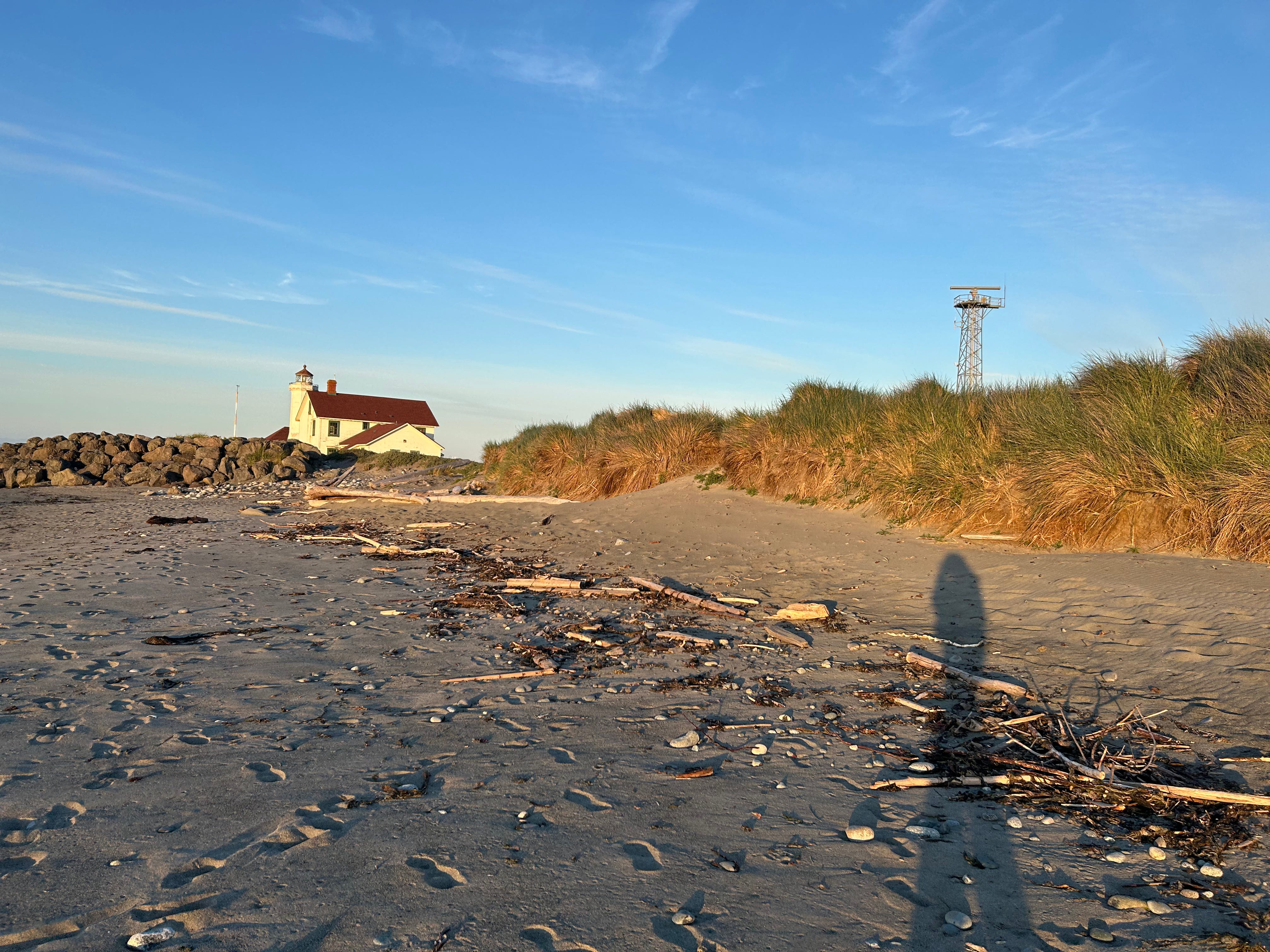
There’s a phrase I return to often: “Lying to ourselves about what we want prevents us from getting it.” In New York and London, Paris and Los Angeles, it often feels like we’re lying to ourselves about how much we actually want to live there. About how much we’re receiving in exchange for our enormous financial, energetic, and emotional investments.
This disconnect can become more pronounced as we get older, when the appeal of skipping around the city, hot, bothered, and primed to be seen, starts to fade. At the gallery openings, and the bars and clubs, a refrain starts to ring. What is this even for?
When I poll my New York friends about why they choose to stay, they offer some variation of, “All of my friends are here, how could I leave?” My reason for staying offered some variation on that, too. I had one foot out of New York long before I finally moved last year, enjoying existing in the cultural context even as I spent significant periods of time physically removed from it. There was a sense of gravity that came with being a resident, like everything I did automatically had meaning. Even if I was suffering, at least I was suffering in New York.
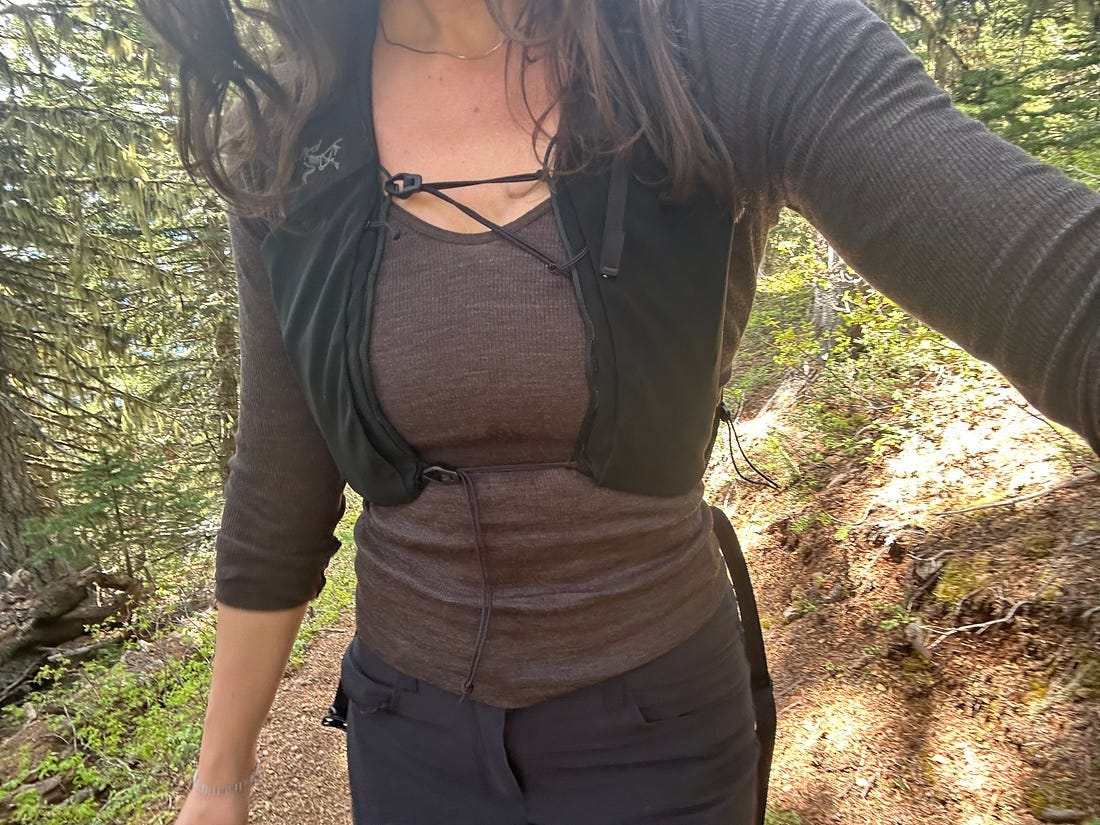
The idea for this piece came shortly before I left for a solo road trip in Washington state, an area I’ve been drawn to for years and am considering moving to. It was more fulfilling than I could have ever imagined, and surprising, too, mostly because I didn’t feel alone or lonely for even one second. Even though I knew only a handful of people there, and it was technically my first time driving alone, I felt far more at home than I do in the city where I currently hold a lease. I felt fundamentally available for the life I was being called to live.
The women featured below are at different stages of their moves, from a few months to many years. But what they share is an unwillingness to keep trading their truth for a life that only looks good from the outside. Enjoy :)

Note: this is part one of a two-part series. Next week, we’ll be hearing from three more women who left marriages, families, and dreams behind to pursue what was true for them.

“MY LIFE BECAME VERY FULL VERY FAST.”
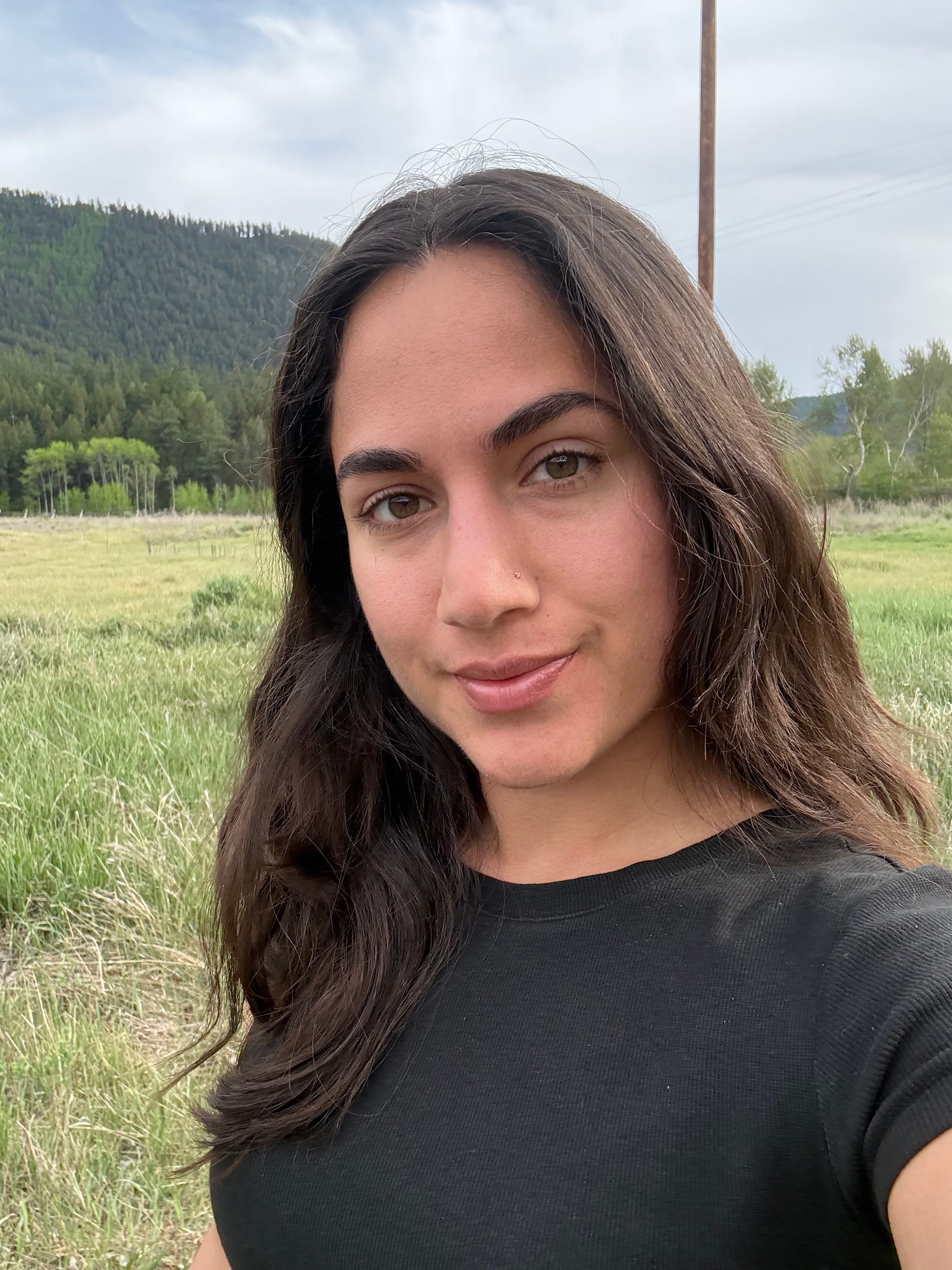
Surya Milner
Writer of East/West and Creator of Empress of Ghee
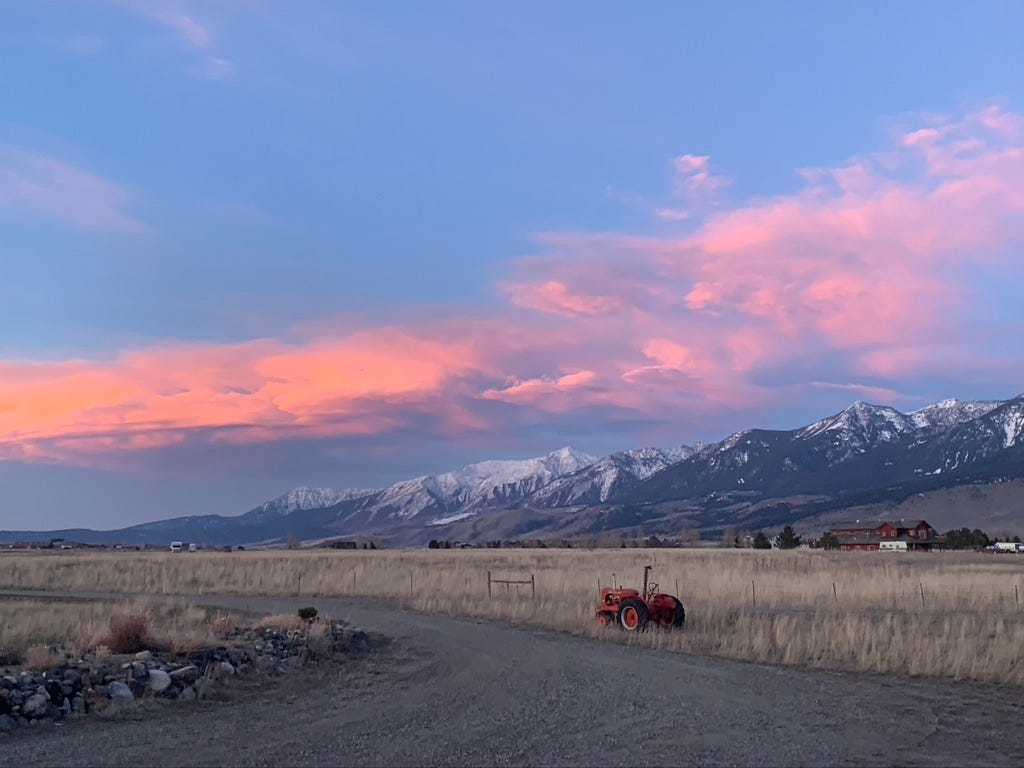
Location: Montana
Time there: Two years
Where did you move from, and why?
In the most broad sense, I moved because I felt spiritually misaligned with my immediate environment, which privileged competition, a distrust in the very idea of God and also of each other, and a focus on self and pleasure as the ultimate site of inquiry.
(This is not a blanket statement about the city but rather my experience of it.)
My foremost goal in leaving was to live in a place that fostered my ability to connect with God and the Divine, because I knew that everything else (the job, the friends, the life partner) would follow. They did.
How did you ultimately make the decision?
After a couple of years of living in the city, I took a mental survey of what I call my habits of living: the activities and rituals I engage with daily. In the city, I lived in a milieu of young writers and creatives; our main activities were reading, writing, dissecting, and, when all of that proved tiresome, partying. I recall yearning to get out of my head — to stop thinking as much, and to start doing. I wanted to live in a place that commanded my physical presence.
It also struck me while living in Chicago that a lot of young people live in large urban areas because they feel like they “should” or because some widespread and cultural idea of success has been borne of the great American cities: they house our most prestigious universities and are the seat of many culturally significant industries. My generation, which was weaned on TV shows like Sex and the City, has fully imbibed the fantasy of the young and upwardly mobile woman who, with grit and aplomb, climbs to the top of her field, “makes it,” gets the guy, has the girlfriends to grab drinks with, etc.
I wanted to live in a place that commanded my physical presence.
After earning a degree from one of those universities and being immersed in all that city life had to offer, I reckoned that none of it would make me happy. I didn’t want to be an observer anymore, sipping martinis with the gals and contemplating what it means to be alive today. I wanted to press my face up against the world.
I had been contemplating moving for several months when, while on an afternoon jog, I witnessed a fatal shooting in the park near my house. It took me a while to process the senseless violence; once I did, I booked a one-way ticket to Montana.
What were your expectations going in? How did reality compare?
Montana is a fantasy-addled place, and I wasn’t immune to that. I’m still not, even though I live here. The myths of this place, and the American West more broadly, run deep in all of us. I think that can be a healthy thing if we harness that energy to create a nurturing and just environment.
When I moved here, I assumed I was opting into a more quiet life. That was only half true. Montana does not have much of the noise and chatter that burdened me in Chicago, but what I wasn’t expecting was how much easier it is to find your people when there just aren’t that many people to begin with. Here, everyone knows everyone. I always joke that living in a Montana town is like going to a liberal arts college, because you’re always running into someone you know. Some folks crave anonymity and run from that; I think being known is one of the greatest privileges of being alive.
When I told my city friends about my move to Montana, many of them served me expressions of disbelief and asked how I could live in such a place...they were of course assuming all of the unflattering things about rural folk. Inwardly, I felt like those assumptions were part of the problem and the very reason I had to leave. I’ve never felt more at home in Montana, and part of the reason is that people don’t carry those assumptions — and at the end of the day, many of us just don’t care. We care more about the land and how we treat one another.
What does your day-to-day life look like? How do you like to spend your time?
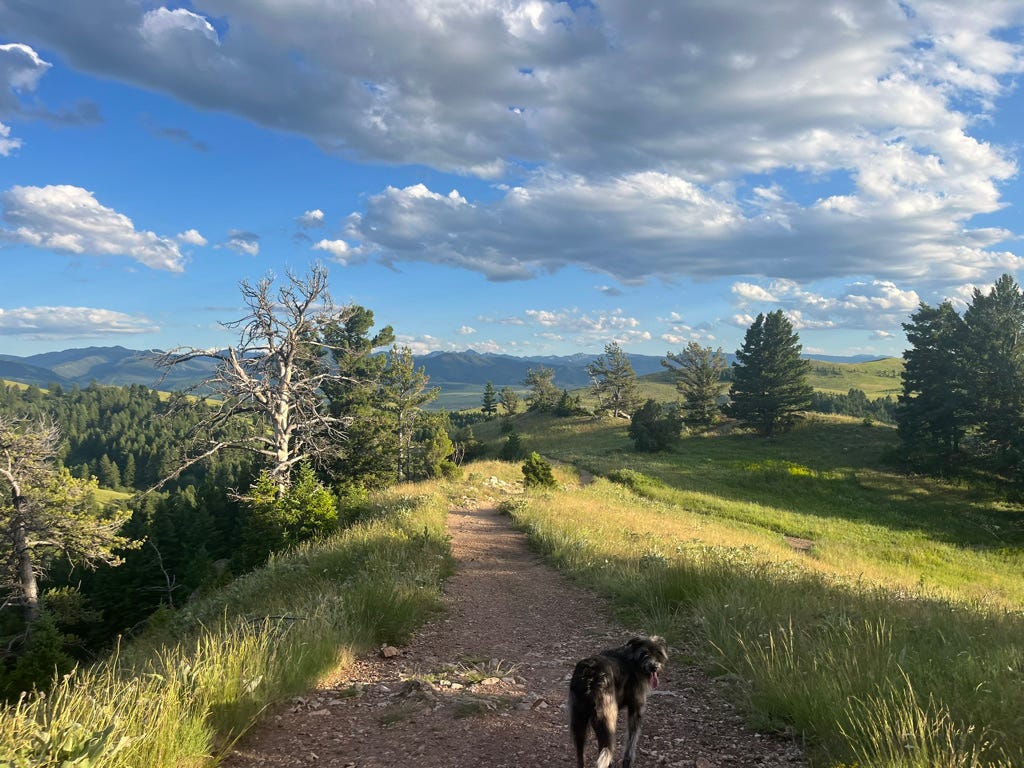
I open the day with prayer, then writing whatever thoughts come to me on my yellow legal pad while sitting on my back deck with my dog, Phil. We walk around the neighborhood and admire the mountains that cradle our town.
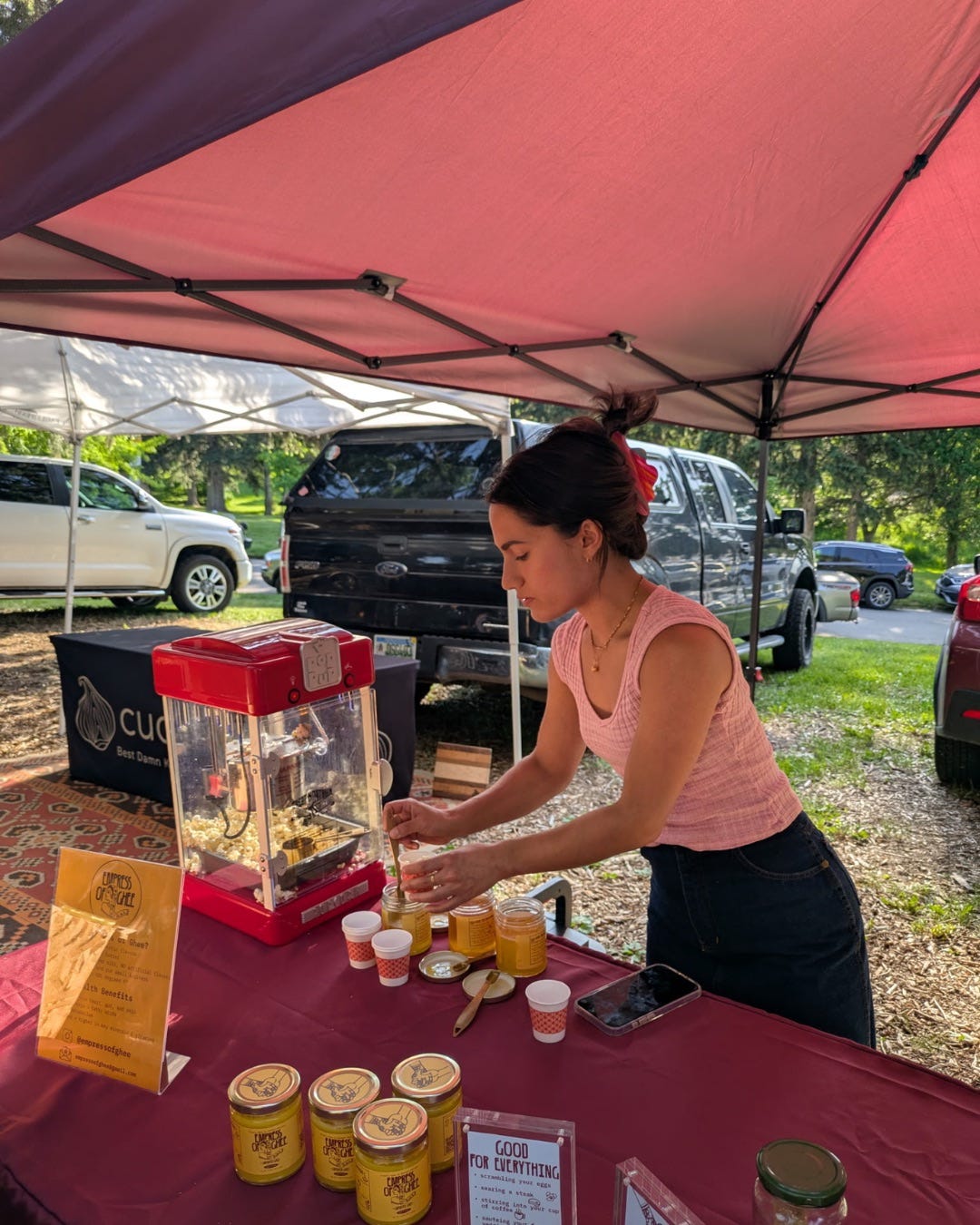
Then I’m often off to the university to teach, or running an errand for my business, Empress of Ghee. Sometimes I’m prepping for a farmer’s market, making a butter run, fulfilling orders to one of our local retailers, or teaching a cooking class. It varies by the day.
Social life usually consists of a wholesome activity: a bike ride through Yellowstone National Park, a run through the trails near my house, crafting with a girlfriend, attending a reading, cooking a communal meal. Last week, I met a girlfriend for a sound meditation in a yurt. Morgan, my fiancé, loves to hunt, so sometimes I’ll meet him for an evening mission, which is just an excuse to walk around the woods.
In what ways has rural living shaped or changed your sense of health or vitality?
Living in Montana has strengthened my connection with God and the Divine in an unexpected way, which has to do with the social atmosphere. There’s an open-mindedness about this part of the country that gives me hope and lends itself to seeing the divine in others. People here care less about labels: queer, straight, atheist, vegetarian, vegan, left, right, etc.
Who am I and why am I here? How can I best serve? This is the foundation of health for me.
Of course, all of those ways of being exist here, in abundance — it’s just not what people lead with. Being given permission to shed those categories has been freeing for me, and allowed me to direct more energy into being curious about the questions: Who am I and why am I here? How can I best serve? This is the foundation of health for me.
In many other ways, living in Montana has supercharged my physical health. I eat more local and seasonal food than I have in my entire life, and I know exactly where or who the food comes from. I live with a fiancé, soon-to-be husband, by whom I am cherished and protected. On any given day, I am able to go outside and run, bike, ski, forage, swim, fish, or hunt. Or sometimes I just go and sit. The literary community here is small, which makes it easier to plug in — attending readings or even leading workshops fills my cup and stokes my creative fire, which also makes me feel vital and alive.
What have been some of the hardest or most surprising aspects?
My life became very full very fast. Within one week of landing in Montana, I met the man who would become my husband. Since then, we’ve built a business together, and our lives have merged and become busy.
I’m still learning how to balance the business of the season with the reason why I moved here in the first place, which was to slow down and connect to God’s path and purpose in my life.
I suppose I assumed that life out here would be slow by default, and I didn’t expect living here to, at times, feel busier than living in a city. But this is also an extraordinary season — wedding, businesses, family moving out here, etc.
Could you see yourself living in a city again?
I can’t. The benefits of rural living far outweigh those of city living. For folks who really care about where their food comes from, the city simply can’t compete with the country.
[And] the city things — museums, art, shows, insane culinary experiences, etc — are only a plane ride away. It’s a lot easier to drop into a city for a weekend to experience city things than it is to drop into rural Montana for a weekend to ice fish, forage for wild rose, wander in the woods, dip into the hot springs. Those experiences take years of trial and error to get right.
Plus, it’s just so beautiful here, that to leave would feel like losing a cherished friend. Montana is a part of me.
Follow Surya on Substack and Instagram.
“I DON’T THINK I UNDERSTOOD HOW MUCH THE CITY WAS COSTING ME UNTIL I LEFT.”
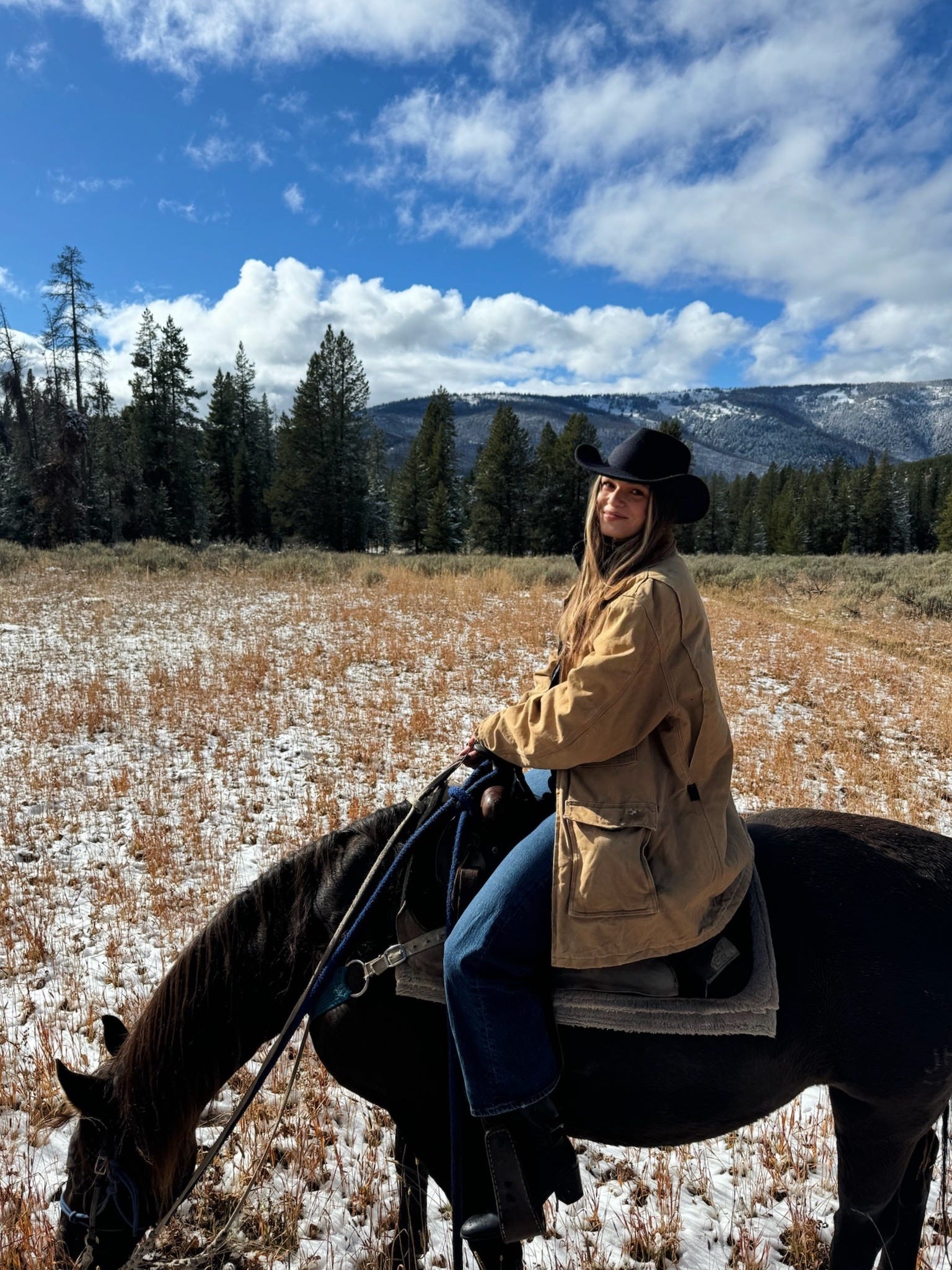
Madison Joseph
Publicist and writer
Location: Park City, Utah
Time there: <1 year
Where did you move from, and why?
Los Angeles. I spent my twenties building a life that looked really good on paper, the career in PR, the apartment, the social calendar, etc. I didn’t leave LA because I didn’t enjoy living there. I left because I had a feeling there was something better, not better objectively, but better aligned for me.
How did you ultimately make the decision?
I didn’t wake up one day and decide to move to a mountain town. I’m way too rational for that. But I couldn’t ignore the voice that kept telling me: You don’t belong here. So I gave myself permission to experiment first. I found a site called Trusted Housesitters and started applying to housesit in small towns I’d been curious about. Low stakes, no commitment.
My first “scouting mission” changed everything. I called my mom about a week into my stay and she said she hadn’t heard me sound that happy in a really long time. That was the moment I stopped treating it like an experiment.
On feeling unaligned: I think I knew for a while before I admitted it. There’s a tiredness that isn’t about sleep; it’s about performing a life that looks good but doesn’t quite fit. I felt that throughout the entirety of my twenties.
On what stood in the way: Fear. The feeling that this wasn’t a typical path. There’s a very loud voice that says: But this is what you’re supposed to do and want. Learning to hear a quieter voice underneath that one, and trust it, took a really long time.
There’s a tiredness that isn’t about sleep; it’s about performing a life that looks good but doesn’t quite fit.
What were your expectations going in? How did reality compare?
I braced for loneliness, for the novelty to wear off, for the crash of “what have I done?” that follows a bold (some might call it unhinged) decision. But it hasn’t come.
What came instead was a feeling of peace. And no matter what comes of this chapter, I feel proud of myself for having the courage to carve my own path.
What does your day-to-day life look like? How do you like to spend your time?
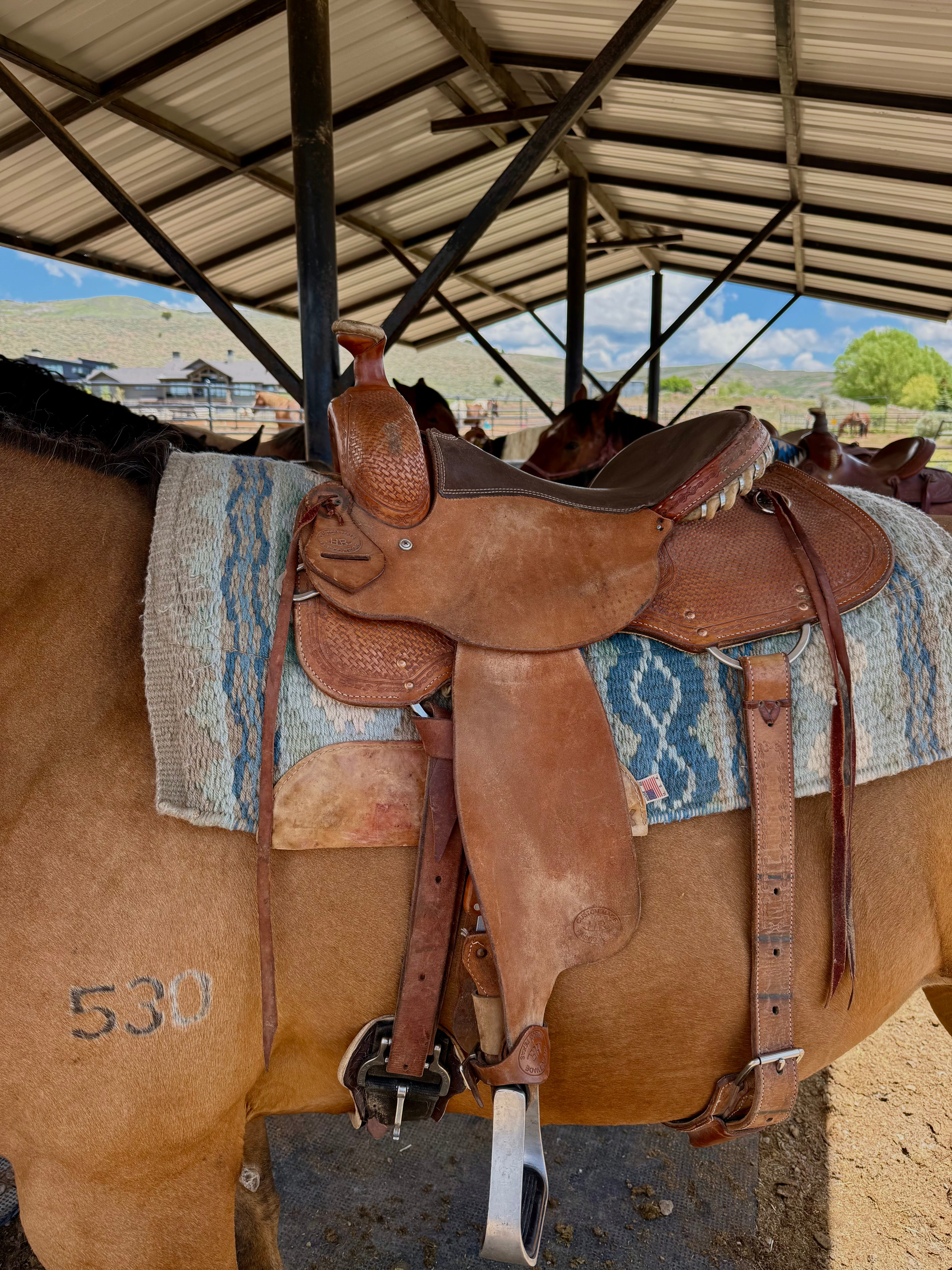
My morning routine is coffee on the deck listening to the birds, then a walk on the trail behind my house before I open my laptop. I work remotely in PR, and that flexibility made this whole thing possible.
I’ve been having fun trying out the local brands, so breakfast typically includes a local sourdough and eggs paired with coffee roasted here.
Evenings look like puzzles, cooking at home, reading actual books. I got a library card within my first week here and I’ve used it more than I expected.
On social life: In LA, my social life revolved around going out for dinner and bar hopping after. Here, the social scene revolves around being active together outdoors — skiing, hiking, biking. The culture here is just different. There’s no social climbing. Just mountain climbing.
However, being new here, I don’t know many people yet. I actually took a chance and DM’d a woman I found online who lived here and asked if she wanted to go for a walk. She said yes and we ended up having a ton in common.
In what ways has rural living shaped or changed your sense of health or vitality?
Getting outside here isn’t a workout, it’s just what you do. The trails are literally steps from my door. The birds are my alarm clock. Nature is not a destination; it’s just the backdrop of an ordinary Tuesday.
In LA, stress and anxiety were my constant low-level companions. The city amplified everything — the noise, the congestion, the comparison. Here, getting out of the house alleviates it. I come back from a walk so much lighter than when I left. I think there’s something about being surrounded by nature that puts everything back into perspective.
As physical proof, within a month of moving here, my hormonal acne, which I’d been dealing with for years, completely cleared up. The only thing that changed was my environment and my stress levels.
What have been some of the hardest or most surprising aspects?
The hardest part was trusting my gut when this isn’t a typical path. There’s a version of this decision that looks irresponsible from the outside — leaving a major city, networking opportunities — for a small mountain town most people associate with ski trips.
The fear doesn’t go away. You just have to decide it’s not the one calling the shots.
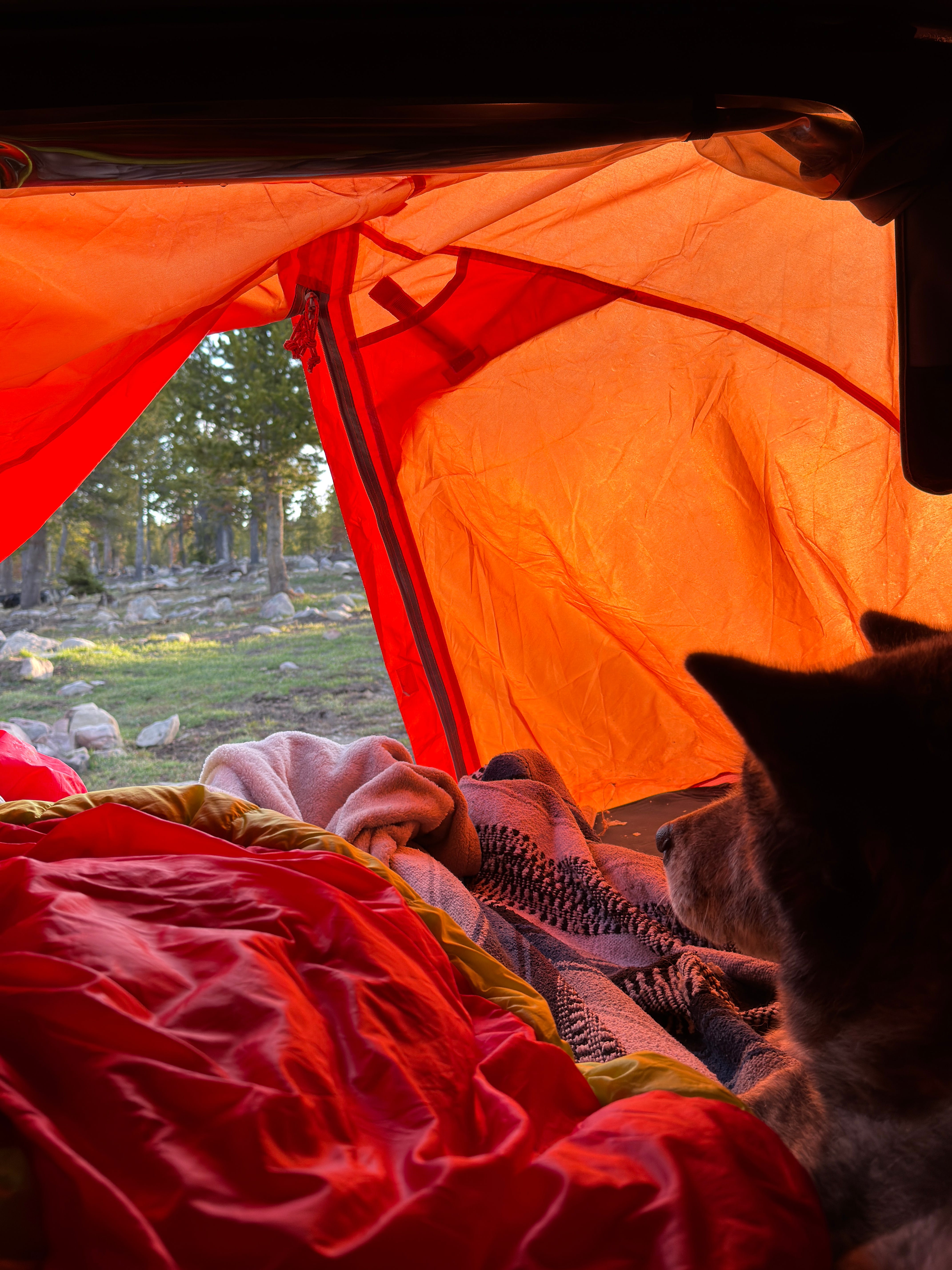
The most surprising part is [that] I don’t feel lonely. Not for a single day. I actually feel less lonely than I did in a city of four million.
Could you see yourself living in a city again?
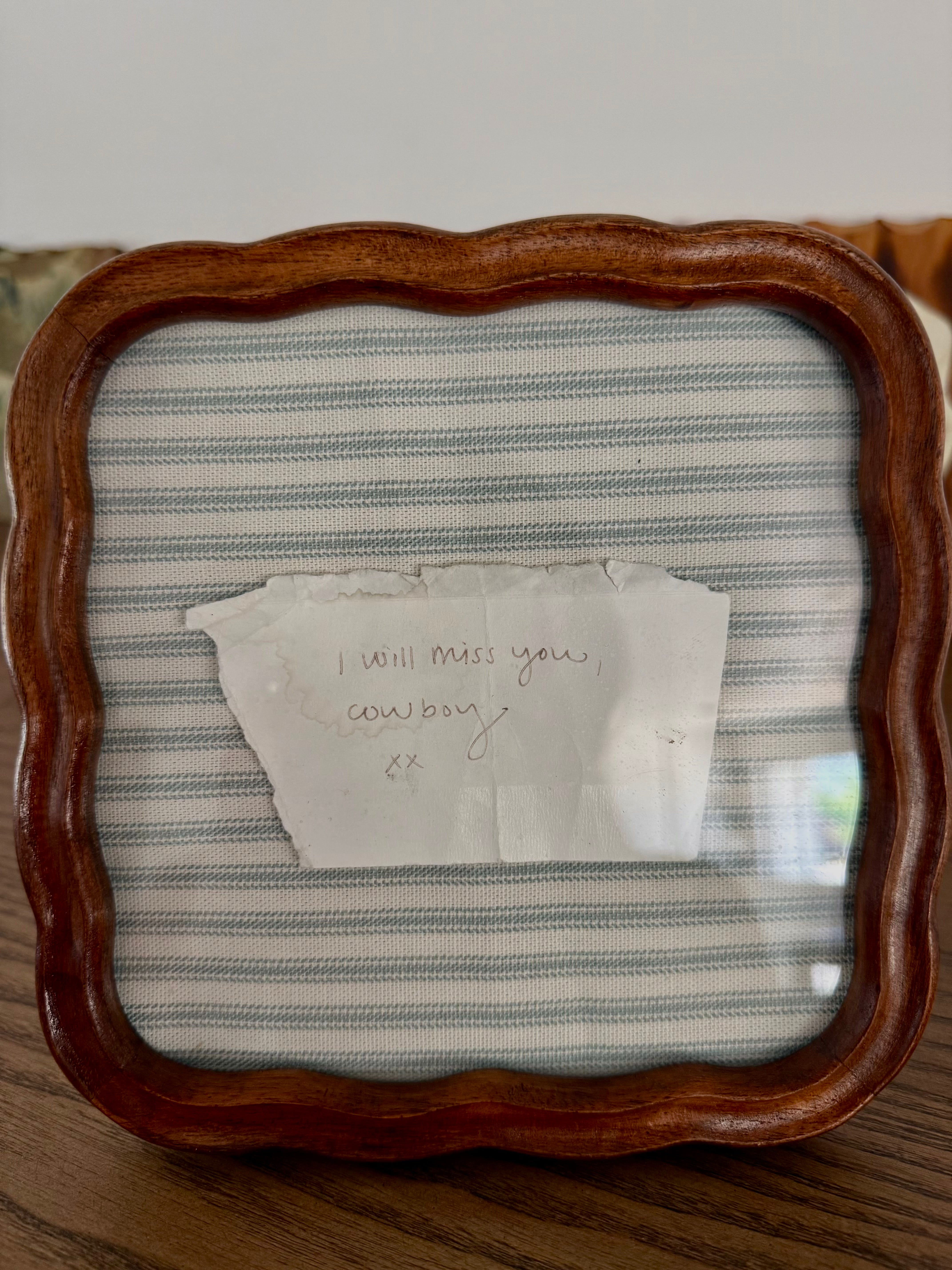
No. I don’t think I understood how much the city was costing me until I left. Not just financially, but energetically. I got so much out of that chapter, but it just wasn’t a fit for me long term.
What advice would you give to someone thinking of moving?
Don’t wait until you’re ready. By the time you feel ready, you’ll also feel resentful. I wasn’t ready, I was just willing to try.
Follow Madison on Substack.
“IT’S SO EASY TO GET SWEPT UP IN OTHERS’ WORLDS IF YOU AREN’T CAREFUL.”
Jenny Bourn
Writer, artist, and YouTuber (you may know her channel, Wear I Live)
Location: Madrid, New Mexico
Time there: 6 months
Where did you move from, and why?
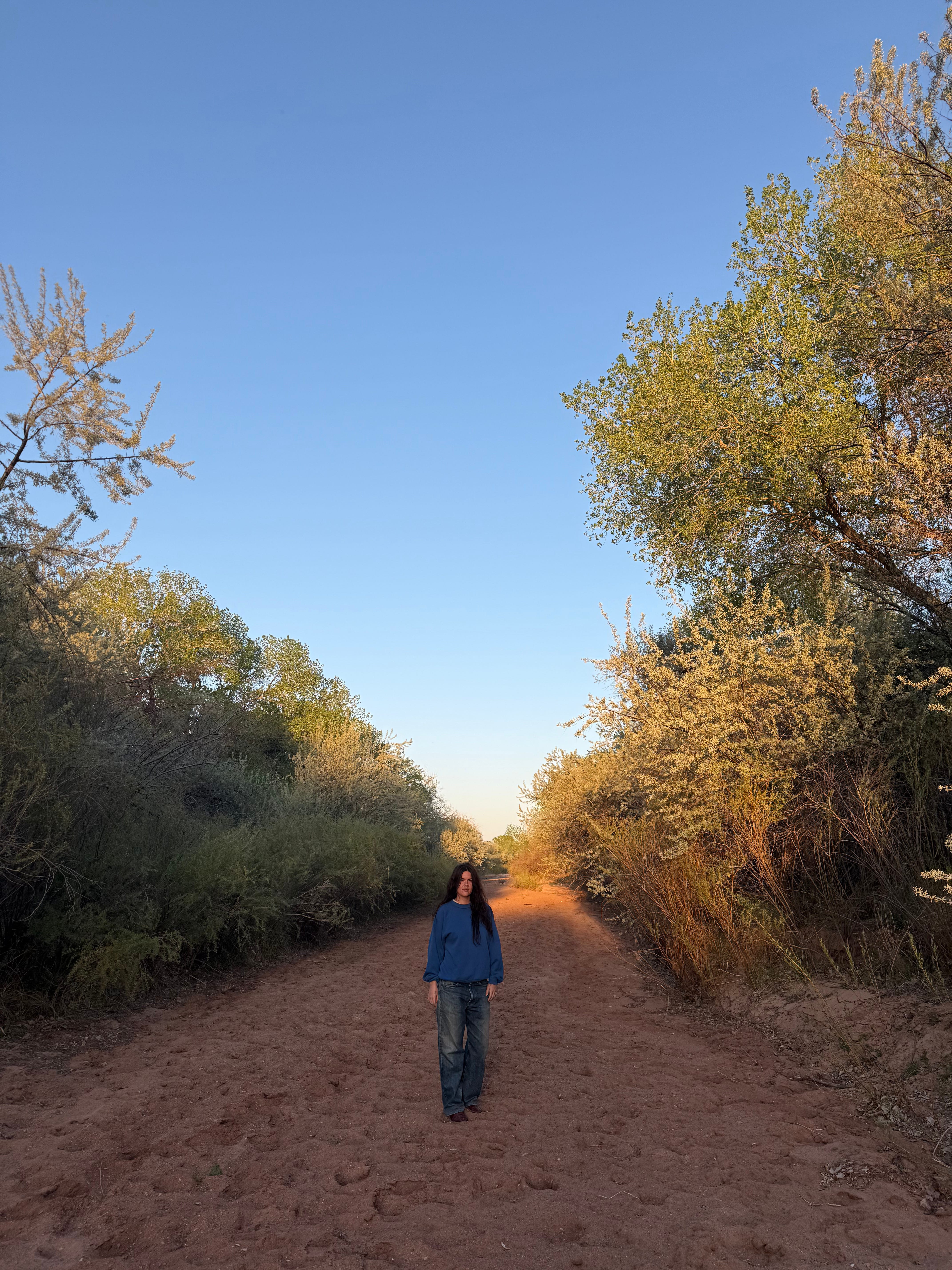
I moved from Los Angeles, where I had been for four years; prior to that, NYC for six. I started to notice I had one foot out of the door in LA. I had been feeling an oncoming pivot for quite some time and was having trouble making that a reality. I was being sucked into old ways of being or pulled by distractions that weren’t lighting me up in ways they once did. Most of that work is internal, but I do find that certain places bring certain things out of us naturally. Sometimes an external shake-up is potent.
I felt intrigued to go check out New Mexico at the end of 2024, and by early 2025, I circumstantially ended up in the Southwest for about a month. I reconnected with someone I had met in New York eight years prior, who had since moved here, and we hit it off and started seeing each other. We were long distance for about a year, both contemplating which place we’d move, knowing long distance wasn’t ideal for us. I had more interest in life outside of the city, so I ended up making that decision around October 2025.
I keep coming back to a phrase, “If you don’t leave, you won’t get to go.” That kind of sums it up for me.
How did you ultimately make the decision?
I’m usually horrible at small decisions and great at big ones. I usually get a very deep knowing that I want to, and will go, somewhere, like I’m being magnetically pulled. That mechanism was pretty reliable in the past with my two other big moves. Even when they were scary, or I had no idea how it would work out, I had a deep clarity that I couldn’t really explain.
This one came with much more cloudiness. My gut feelings weren’t silent, but my mind became extremely loud. I think I was really afraid to leave the circuit I had been on since I was 19, between being in NY and LA. I had clawed my way out of a small hometown, and I felt like I was throwing away the life I had built. It makes sense; this was a much bigger difference (the town I’m in has 200 people), and there were way more variables to consider (making a decision in tandem with someone else). I think getting older has to do with it, too; it feels like decisions hold a little more weight. I also had a dreamy little back house that I lived in that felt like my soul house. I had never been so connected to a space I lived in, so that was really hard to let go. I think in the past, I was so done with the place that it made it easier to leave.
What were your expectations going in? How did reality compare?
I had pretty honest expectations. Overall, I understood that this move would be incredibly hard and wonderful at the same time. It has been both. I feel my baseline happiness has improved, but my internal stability took a big hit for a couple of months. It honestly felt like my body was confused, like it wasn’t existing in space or time. I’d lay in bed at night and a part of me was still tethered to Los Angeles, like I could feel myself laying in my old bed in my old house at the same time.
I just hit the six month mark and it’s starting to feel real now. There have been so many magical moments even through feeling a little lost at sea. It’s given me so much perspective on myself and my old lives. I can see things now that I was having trouble seeing when I was so close to them. That, in itself, has made this move incredibly worth it. My energy has been returning tenfold. I think it must be the release of letting go where my energy had been tied up unintentionally. Now, it’s coming back, available to something else.
What does your day-to-day life look like? How do you like to spend your time?
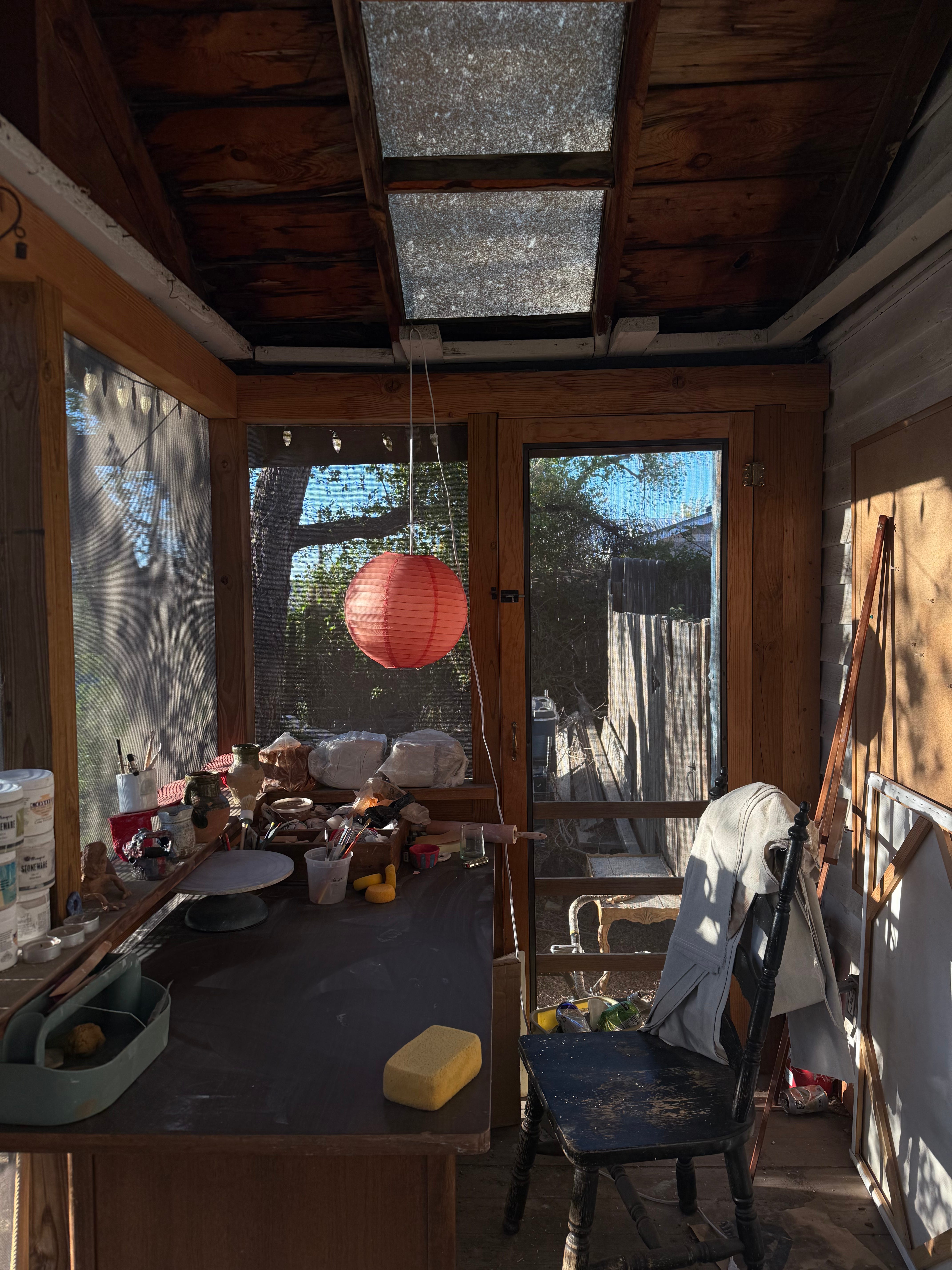
I’m just feeling like I’m hitting the point of having any semblance of a routine. I’ve been spending most of my time writing, making ceramics, or studying with my mentor in a modality she developed. I found a cheap kiln on Facebook marketplace when I moved here — something that would’ve never happened in LA — and it’s now in our backyard at my disposal. I’ve loved throwing myself into a new art form. (No pun there, I hand build.)
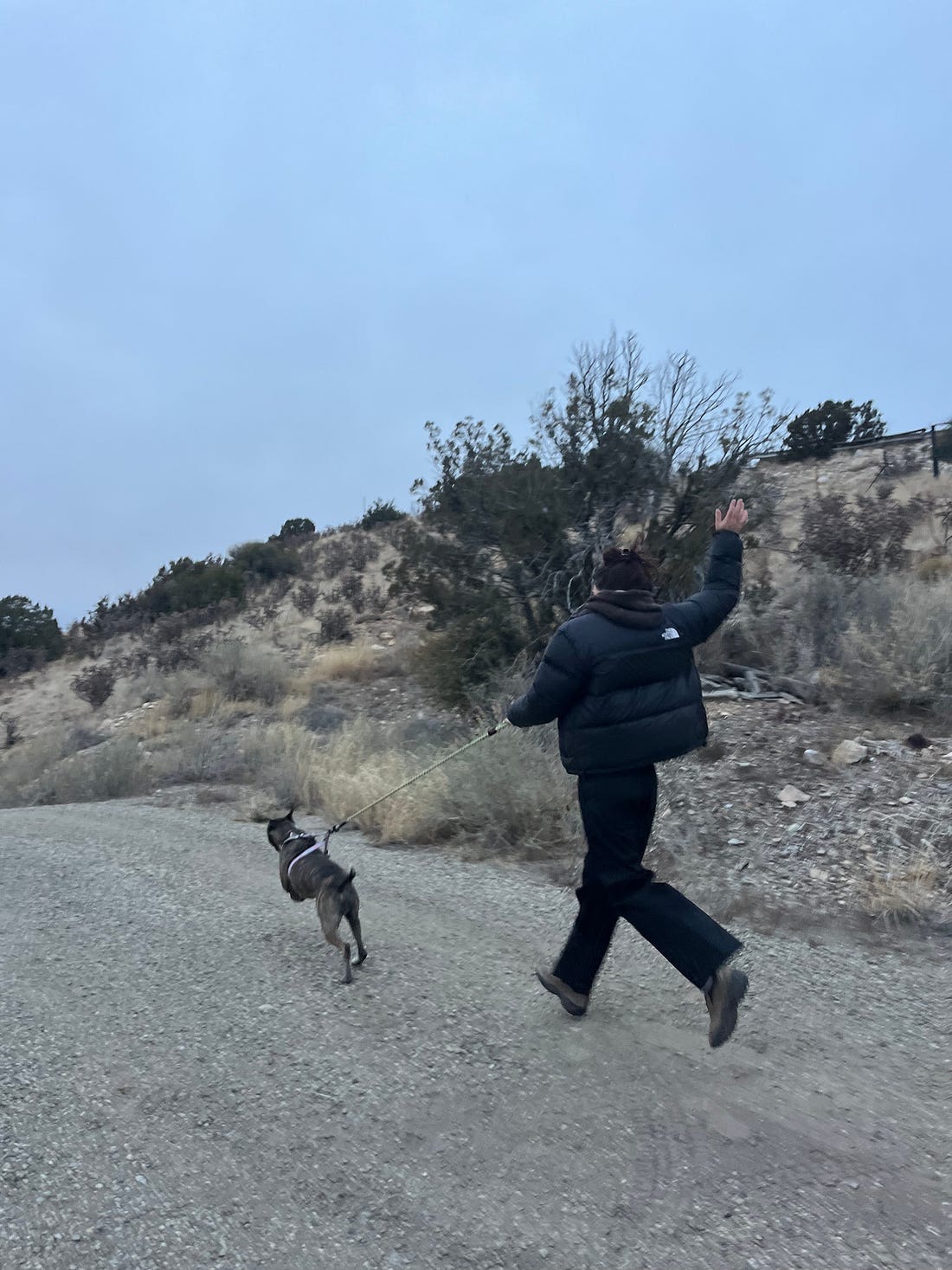
I’ve met a few wonderful, older women who are artists and they are so generous with their knowledge, one teaching me silversmithing just for the hell of it. I’ve been touching life in a new, simpler way. Getting back into a meditation routine and walking and hiking. We’ve taken a few roadtrips, visited hot springs, town gatherings, gone to antique and thrift stores, old bookstores, and small gatherings with some friends. It’s been pretty mellow, but I imagine much more time outside now that summer is right around the corner.
In what ways has rural living shaped or changed your sense of health or vitality?
I really believe in the power of being a hermit for some time. I feel like I am getting to know myself better than ever at an exponential rate, and the quietness is a huge part of that. It’s so easy to get swept up in others’ worlds if you aren’t careful.
I feel much more grounded and in touch with my body for the first time in so long. Messages from my God are loud and clear. (Many were the same messages I was getting in the city, but I was too stubborn or preoccupied to listen then.) Synchronicities have been off the chart. I feel like I’m constantly laughing at it.
What have been some of the hardest or most surprising aspects?
The disconnection from my old lives has been hard. I’ve been grieving. I miss my friends. I knew some tougher emotions would come up. Surprisingly, I feel more open to the world than before. It’s given me a burst of energy. Being in cities, I think a lot of that aliveness can be externalized. Here has been an opportunity to create that for myself wherever I am.
It’s so easy to get swept up in others’ worlds if you aren’t careful.
Could you see yourself living in a city again?
I’m not dying to get back to a city, but I can see myself wanting to return eventually for a chunk of time, or to just explore the world. I still kind of laugh at all the people that scoff at city living out here… I tell them I moved here from Los Angeles and they often hit me with something like, “Oh, well good for you for getting out.” The unsolicited opinions kind of annoy me; I guess I feel defensive to some degree because I learned so much from those places, too. I’m glad to know I can go either way.
What advice would you give to someone thinking of moving?
I keep coming back to a phrase, “If you don’t leave, you won’t get to go.” That kind of sums it up for me. Life will fall into place once the decision is made.
There is no running from self, either. It’s easy to think a new place will make a whole new you, and it will, if you are willing to change alongside it. Something that helped me commit to the move is committing to a time frame. I knew I could do it for at least a year or two. There was no telling if this would be my forever, and that’s fine. It could be, it might not be. I don’t know yet. But I’m glad I came.
Follow Jenny on Instagram and Substack.
Loved every single story. You don't know how much I needed to read this, thank you!
With tough love to a column I usually enjoy: I'm disappointed you only profiled very recent transplants. As a New Yorker who's been in Anchorage for over five years now, I can say that it takes at least two years to settle in to a new place, and the sheen will wear off of the "country" (would not call Park City or Bozeman that, personally) life too. The phrase geographic cure comes to mind