

Hi everyone, and welcome back to IN PRACTICE. Unlike our Sunday interviews, which follow the same questionnaire format each week, this series hosts more focused conversations with practitioners/founders in the health, wellness, and clean beauty spaces. Previous guests include Raena founder, Alannah Connealy; heliotherapist Zaid Dahhaj; and kobido practitioner, Madeleine Iona Lukács Smith.
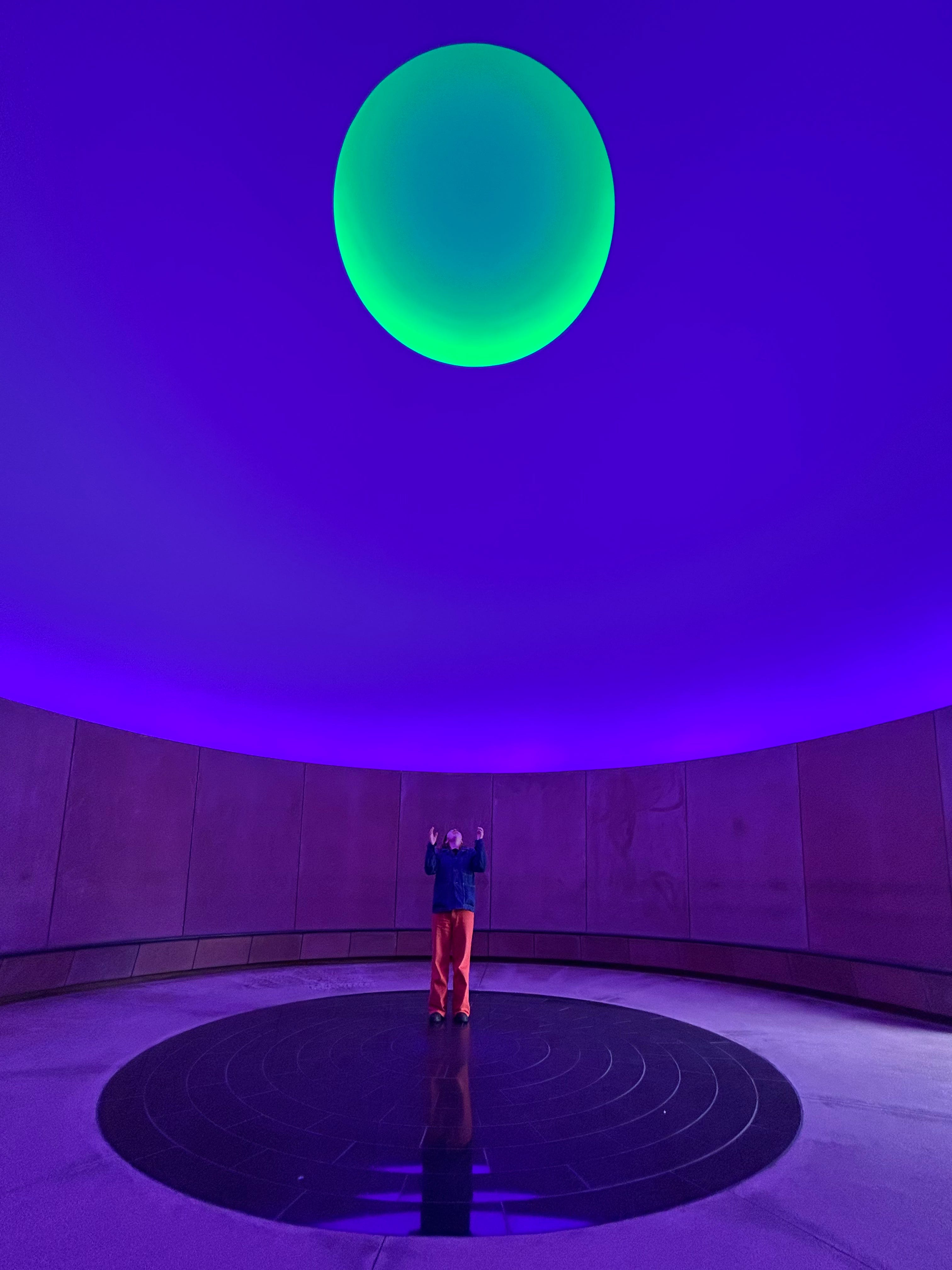
Today, we’re hearing from Franny Flackett-Levin (@kanandune). Franny is a lifelong musician, surfer, sound healer, and practitioner of The Tools, a form of shadow work that involves deep unconscious connection and action-oriented change. I did a Tools session with her last fall, and her approach struck me as both gentle and precise, favoring inquiry over judgment to open space for real presence and care. Outside of client work, she runs the Substack Kanan Dune.
P.S. If you’re in Los Angeles, you can catch Franny at the Blueprint Design workshop on 1/11, hosted in collaboration with psychotherapist Charlotte Dawes.


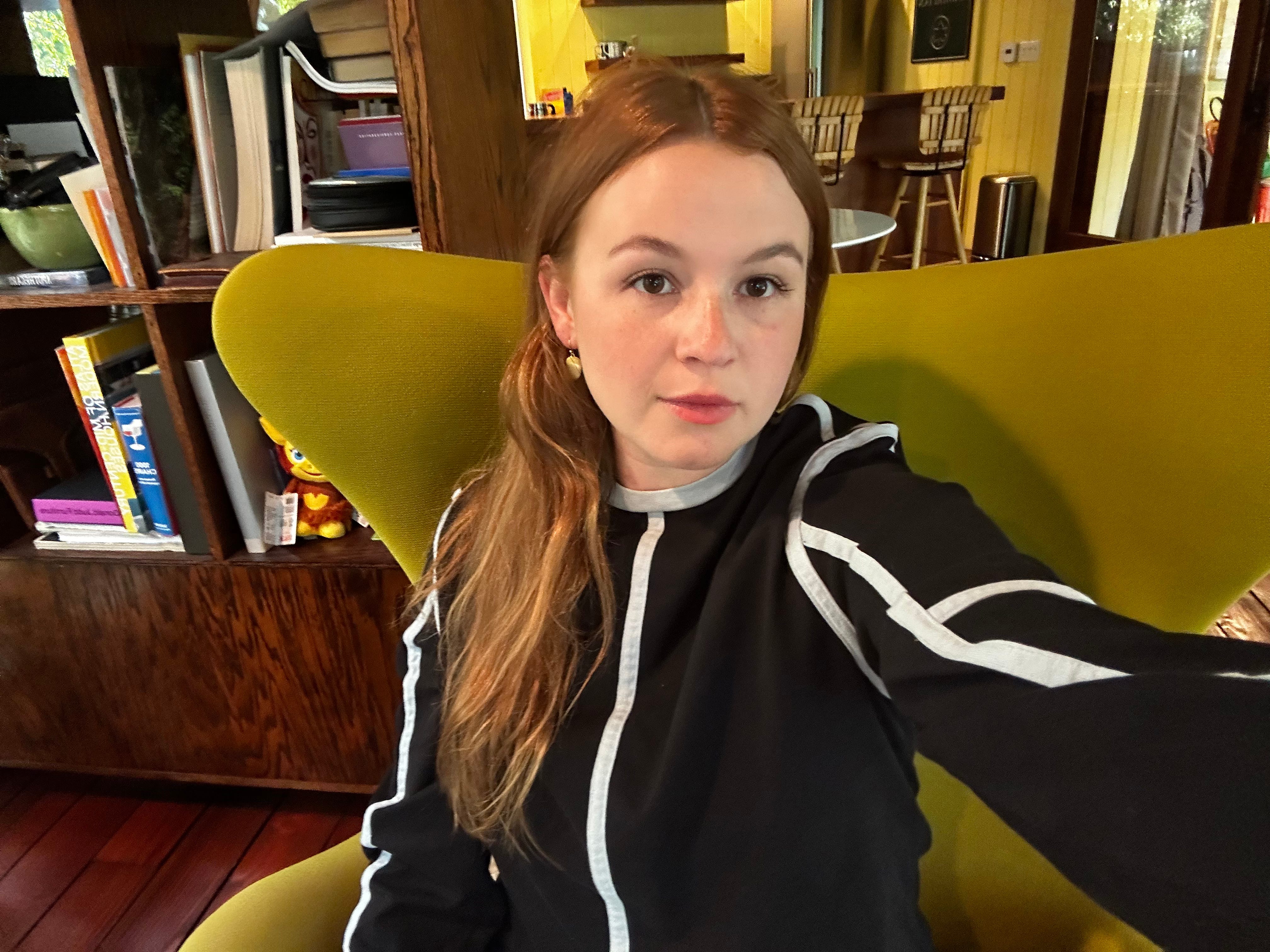
In Practice: Franny Flackett-Levin
Virgo/Aquarius/Taurus
Los Angeles, CA
What was your upbringing like?
It’s interesting because I didn’t grow up with a lot of overt spirituality. My parents were very practical, yet deeply creative people. The “creative act” was very much a part of my every day; their larger circle was all creative people that were using their source in all sorts of ways. They were guided by these larger spiritual frameworks around their creative work, which really inspired me, but it wasn’t packaged in the way I conceive of it now.
What first led you to music?
As a kid, I always wanted to be a musician. I got the idea when I was like seven or eight years old. It felt almost like this voice of God coming down and saying, “This is what you have to do.”
I started surfing when I was really young too, around the same time I decided I wanted to be a singer. And that’s been an anchor in my spiritual practice and relationship to what it means to be alive. It got me asking myself a lot more questions. I was a very intuitive and introspective kid.
As children, we’re such a clear channel for these things. Is your family musical at all?
No, actually. And that was why it felt so godly to me at the time. There wasn’t even music played in the house. It was always me just improvising on the piano and writing music.
My godmother, Monique, was the one who really introduced me in a more direct way to spirituality. She took me to kundalini yoga classes when I was 17. That really opened my eyes. I got into psychedelics then, especially microdosing, and I started linking my musical work more directly to my relationship to spirituality and to the ocean as well.

It is pretty amazing to me that it really has stuck. No matter what I do, I always come back to my music.
How would you say your relationship to it has evolved over time?
It’s gone through so many waves of commitment…It can be the most beautiful, connected, guiding thing, or it can feel really painful. But I’m always trying to stay inside of it, even if it’s tough.
I often think that when we give up on something, it’s because we expect it to be the same day in and day out. It’s a matter of trusting the depth of your calling.
Yeah, it’s like being tested constantly. And knowing that you pass the tests by staying in it, even if it’s not working perfectly or having its external place in the world.

When did you first connect to the Solfeggio?
At Gallatin, I studied music through the lens of Greek and Roman philosophy and and artificial intelligence and the future of music; basically, looking at why music is special to humans. It was sort of a first delve into the question of really, why is creativity and the act of having a creative practice so powerful for people? I was really fascinated by what it means to transmit the soul — and in that realm, how music and healing can be interwoven.
I’ve always been interested in the Fibonacci sequence and the ways in which nature is organized, and also the ways in which true art is a reflection of nature. And so I was looking into the golden ratio, and then I got into a bit of the Solfeggio healing frequencies…this idea that certain tones could have an ability to shift your state.
Do you have a favorite tone?
I really like 528 hz, it’s the frequency of love.
It’s not incredibly scientific, but with my sound healings, I am imbuing it with the unique energy of a conversation, or with the intention in mind.
Even with us talking now, there’s such a unique energy transfer that happens, especially the deeper you get to know someone. I really like taking that energy and pairing it with these frequencies, choosing which are right for the individual or collective. It’s like a heart and mind opener.
Do you incorporate these sound healings into your client work?
My sound healing sessions are more one-offs with people wanting a unique healing they can use daily. I like to put a binaural beat that can get you into a meditative state or highly activated aware state, and then I layer the Solfeggio healing frequencies on top.
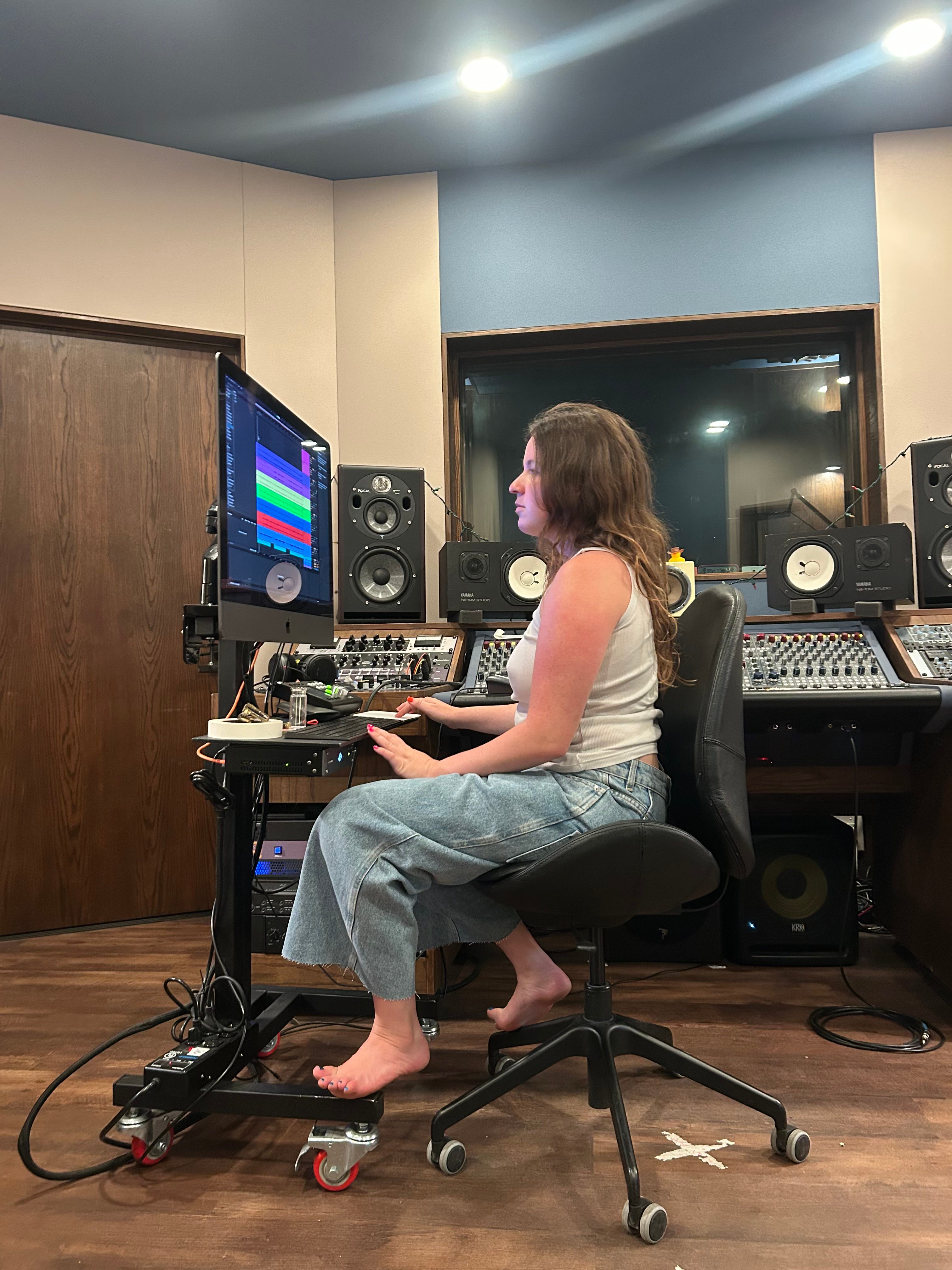
My primary private practice is a counseling practice. It’s a therapeutic modality of coaching that I’m trained in, The Tools. I am mentored by Barry Michels and Kristan Sargeant.
Tell us more about that.
Honestly, Barry is such an incredible visionary in the world of therapy. Him and his collaborator, Phil Stutz, came up with a modality called The Tools in the last 30 or 40 years of practicing psychotherapy. It’s these actionable visualizations (cognitive behavioral interventions) that you teach people so that they can do on their own. It’s very present/future oriented. So it’s less involved with the why of what you’ve been through, and more about what you can do now to get your life moving in forward motion.
The type of coaching that I do — and my mentor Kristan said this in a pretty amazing way — it’s like my clients and I are “co-detectives” going inside the darkness of the subconscious with little headlamps on together. I act as a compassionate guide, so there’s no hierarchy, but it’s like an ally to go into the darkness with and then trust enough to be led out safely.
What does a typical session look like?
These are hour-long counseling sessions, led by the client’s needs and greater goals. We often follow a framework, using a form of shadow work where you go to your most triggered place and work with those heightened emotions in a meditative state. I sometimes use binaural beats or sound healing to help access more tender memories or feelings.
We then externalize these feelings into a “second self,” a distinct identity with its own form and dignity, and commune with it. This is your shadow, which holds all your inner intelligence. It can share incredible soul insights with you when asked. This creates a pathway to connect to the parts of ourselves that we deem the least lovable and most disgusting, or difficult, annoying, overly ambitious…whatever it may be for you. Through connecting with that, we are more able to experience “wholeness,” because as long as we’re rejecting these major parts of ourselves, we’re living in a world where we’re self-punishing and we’re not truly integrated.
“It can be painful to meet these rejected parts of ourselves, but in many ways that grief is just from not meeting them sooner.”
Do you do this work yourself?
Yeah, that’s how my training has really taken place. You have to be able to do it and apply it to your own life to help others.
It’s really beautiful, elegant, and efficient work. It can be painful to meet these rejected parts of ourselves, but in many ways that grief is just from not meeting them sooner. The dividends of meeting your shadow and forming a relationship with it and allowing it to be alive within you are unbelievable.
What internal shifts have you noticed since discovering The Tools?
When I’m in touch with my shadow, I speak as myself, fully. I am connecting to my highest self. I’m making choices that really reflect what I desire and what I want to do and who I want to be.
I almost think of it like you have a crystalline sieve that you pour your thoughts and actions through. Your shadows help guide you when you listen and take into account what feels right with these forgotten parts of ourselves.
How long did it take you to go through that process yourself?
It’s never-ending, really. I’ve been training for over a year with my mentors and seeing clients for 10 months or so while growing my practice.
Talk therapy has worked wonders for me too, and modalities like EMDR are super effective at unblocking limiting beliefs, but in this modality, it’s such a valuable resource to have an inner voice you can access any time of day. You don’t need me; I’m there as a guide and to support you. We create a safe, beautiful line of connection between you and these inner forgotten parts, so when you’re in crisis (and just in any moment of questioning), you can turn inward and be supported.
I like that too, because it establishes a level of sovereignty. Gaining tools you can use outside of the sessions.
Exactly. It’s never about being reliant, it’s inner resilience.
What have you learned from your clients so far?
So much. As an impartial observer, you see that what someone deems dark and ugly in themselves can be luminous, beautiful, and easy to love. You’ve been programmed to feel bad about these parts, but in this work I act as a non-judgmental ally. It’s beautiful to live in this present state with people.
It strengthens my shadow practice to experience people as they’re most scared to show the world. Even at its most complicated, there are lessons to be learned from the darkest parts of ourselves. It’s a reminder when it’s something totally different from what I would experience in myself. It makes everything crystal clear and brings me into connection and community with other people’s source and creativity. I value that so much. It’s like living magic.
Yeah, absolutely. My belief is that a lot of us are really dealing with very similar blocks, and when one of us heals something, it has a ripple effect.
I’ve always been the friend with a little tough love because I want people not to give up on their true soul’s dreams, and I also want to help zero in on what that soul essence really is, because sometimes it’s clouded by outdated programming. With my friends, I’ve always been the one saying, “No, you have a dream — do your dream.” It’s about staying connected to that voice, even when things aren’t working.
It’s so key right now for people to wake up to that.
Barry and Kristan say this type of shadow work is really an update of an operating system. It connects you more deeply to yourself, to God, to higher forces, and to the energy of the world moving forward.



@Franny Flackett-Levin so excited to see your glowing self here!!
This one really resonates with me in EMDR therapy right now, thank you for posting <3