

"Our Greatest Lives Depend on Our Living Our Deepest Desires."
Part two of HG's city-to-rural series.
Group Chat is a series of community roundtables on how we choose to live today. Today, three more women on their journeys away from the city. Read the first issue here.
GROUP CHAT
High-Agency-Living-Gossip.
In the comments section of our last post, a reader rightfully pointed out that I had only interviewed recent transplants for this series, and that it failed to portray the complex feelings that can come after the two-or-so-year honeymoon period wears off. But this, in fact, was the whole point. I wanted to speak to people, particularly women, who were close enough to the decision-making process to remember its intricacies; to recall the fears and the doubts, and how they moved through them anyway. To me, this process deserves as much airtime as whatever’s waiting on the other side. In a moment marked by consumption over creation, by comfortable suffering over the unknown, we need more stories of high-agency living. Of choosing to lead a life that is radically your own.
Perhaps this is the goal of the newsletter at large. My favorite interviews are with those who have a stubbornness about them; who maintain high standards for themselves, an awareness of what they are capable of, and a relentlessness in pursuing all that is good and true.
As Erla Sól put it in her advice to the reader: Exercise the freedom you have in your life. Wherever you are free, live it and love it.
Or as Sean Thor Conroe wrote, in his definition of health: …not avoiding your destiny, not distracting yourself with the wrong things. Believing in your mission, even or especially if no one else understands why you must.
Having the courage to chart your own path is probably the “healthiest” thing you can do. With that, I bring you part two of our city-to-rural series.
P.S. if you have a story to share, feel free to message me.

“I THOUGHT TO MYSELF, ‘OH, SO I LIVE HERE NOW.’”
Blakely Spoor
Marketer, brand strategist, and writer of Cabin Nine.
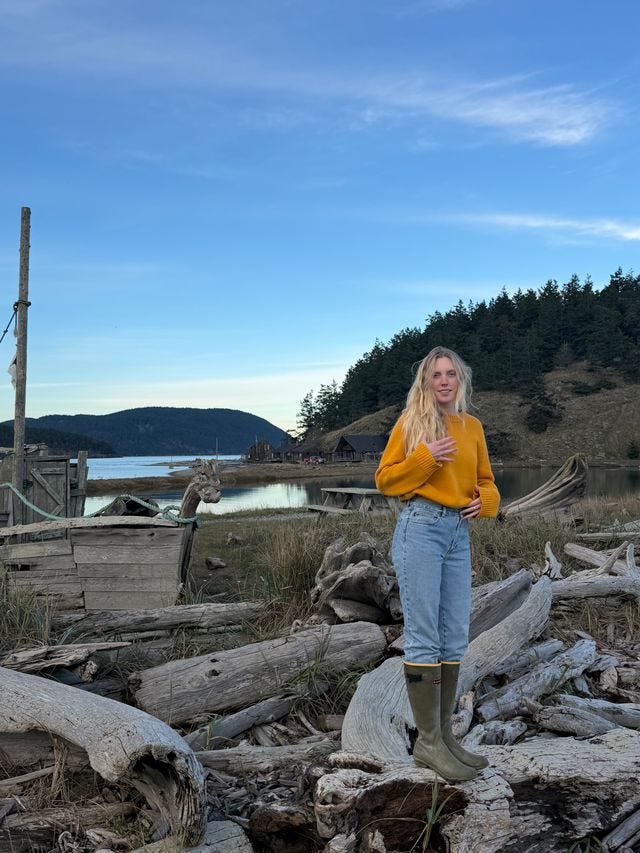
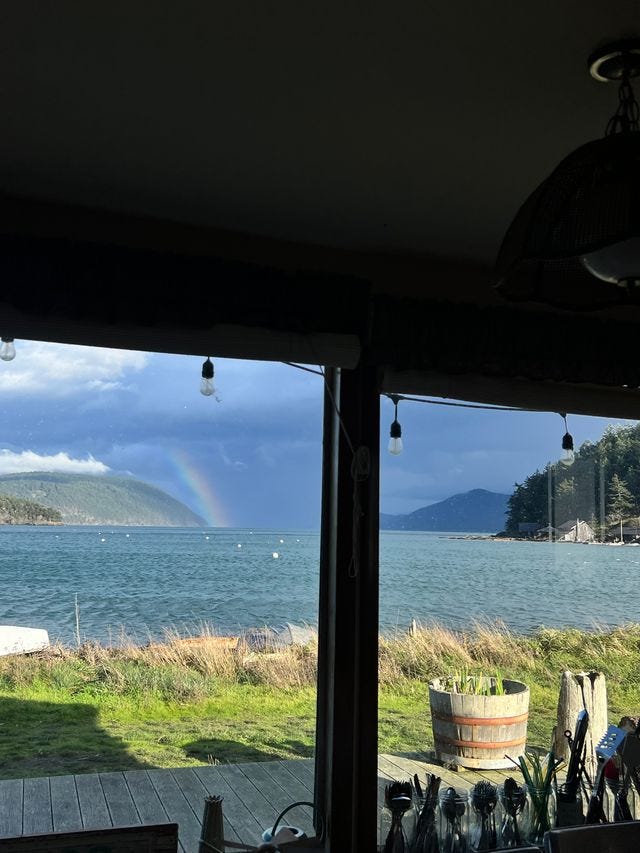
Location: San Juan Islands, WA
Time there: About 2 years
Where did you move from, and why?
I was freshly graduated from college in Nashville, Tennessee, with no idea where to go next. All I knew was that I couldn’t see myself moving to New York City, where 90% of my peers were headed. I decided to spend the summer at my family’s cabin in the San Juan Islands. It turned out that the place I had escaped to in an effort to “figure my life out” was the place where my life began to take root.
How did you ultimately make the decision to move?
Coming here happened easily, and staying here happened unexpectedly. I grew up spending a few weeks every summer of my life on this island. My mom spent every summer of her life coming here with her siblings, as well. It is a place that has always felt like “home” in that it was familiar, etched in my blood and my bones. But I never expected to actually live there, especially in my mid-20s. It was supposed to be my perching spot, but a few weeks turned into a few months, which turned into many, many months. And here I still was.
One morning after a chat with my neighbors asking when I would be headed off-island next, to which I responded that I didn’t have any current plans to. I thought to myself, “Oh, so I live here now.”
What were your expectations going in? How did reality compare?
Living here is rural living, most definitely, but it is remote rural living. Its remoteness — no grocery store, no gas station, no hardware store, no ferry, no public access — has always been a part of its appeal for my family and me. It requires a generous amount of forethought, of which I am blessed and cursed to have in excess. What I anticipated being a challenge, however, was the isolation. During the off-season, the island population withers down to under 50 full-time residents, and the majority of them are at least 30 years my senior. There also aren’t any natural wine bars or specialty coffee shops to enjoy in the company of girl friends. And lord knows, I was very, very single at the time that I moved out there.
Through many baked good drop-offs, I befriended my elderly neighbors. Living in such a remote place necessitates a genuine companionship with your neighbors. They are your lifeline when there is a big wind storm, if a king tide brings water lapping at your front door, or when your heat goes out. It has become one of the biggest joys of my life to spend time with them, to learn from them, and to care for them, and them for me.
It surprised me how interesting I found the residents of the island, and how uninteresting people of “interest” subsequently became.
As for my love life, it took moving to a remote island in the middle of the Salish Sea to finally have some good luck. While living there, I met my now-boyfriend, a treehouse carpenter. I anticipated loneliness in the isolation of life here, but it only engendered connection, companionship, and love.
What does your day-to-day life look like? How do you like to spend your time?
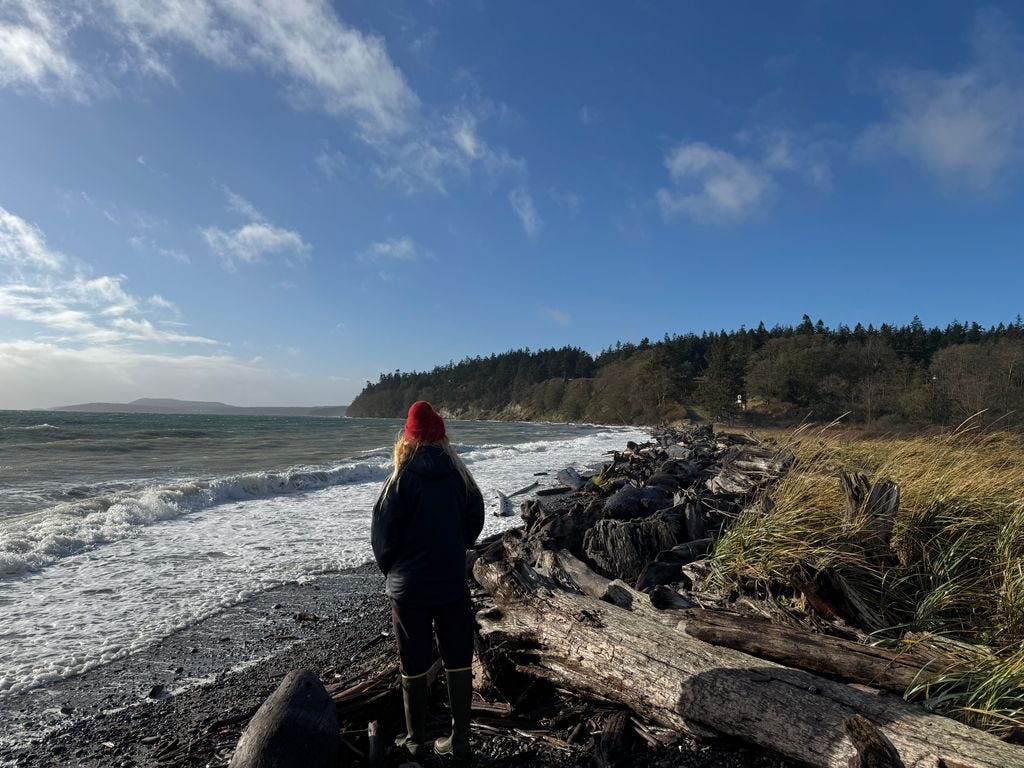
All days are different, shifting majorly with the seasons, the tides, and the weather. But every day includes three things, no matter what: starting and ending the day with candlelight, enjoying a salted maple latte, and going out on an agate beach walk.
In what ways has rural living shaped or changed your sense of health or vitality?
Here, health is a very physical thing. Are you able to physically do what is required of you to live happily and comfortably, in a place where there is true friction of living? We don’t have the safety net of most modern conveniences here, so your physical capabilities are the first and foremost requirement of living out here.
I used to perceive health, as many of us do, in boxes. Oura rings for tracking progress, gyms for strength, yoga for mobility, 10k steps for longevity. In all of these examples — health lived in that little, contained box, with numbers, percentages, and checkmarks. You would go out of your life to accomplish them.
Here, health is not contained — it’s weaved into your everyday. It’s how you live — strength and mobility work is picking berries, lifting bags of soil, and scrubbing the underside of your boat. It’s the ability to balance on a dingy or on driftwood, to pull crab pots or swing an ax to chop your firewood. It’s schlepping grocery bags through sand and walking a mile uphill to your car. Health is having the physical capacity to move, walk, run, lift, hike, jump, bend, and pull, easily and without strain. Physical competence is not a luxury, it’s a necessity.
Since living here, I care increasingly about my actual physical strength and resilience — the kind that affords you the freedom to move as you must.
What have been some of the hardest or most surprising aspects?
It surprised me how interesting I found the residents of the island, and how uninteresting people of “interest” subsequently became.
I stopped listening to every podcast I had found necessary and enticing before. My time scrolling through the lives of West Village influencers dwindled down to none. Staying “up to date” on the recent creator events and the award show outfits and the big celebrity breakups became cumbersome.
I stopped doing all of those things, not because I had made a negotiation with myself to lower my screen time or to wrestle myself into being offline more — I simply found the people in my real life to be more interesting.
Many of my neighbors and the island residents haven’t traveled much beyond the West Coast, if the state. They never had any desire to. I love hearing the stories of how they met their partners, what it was like to be a logger, if they enjoyed living full-time on a commercial fishing boat, who taught them to mill their own lumber, which apple trees they planted, and the story behind the garden light they built for their wife.
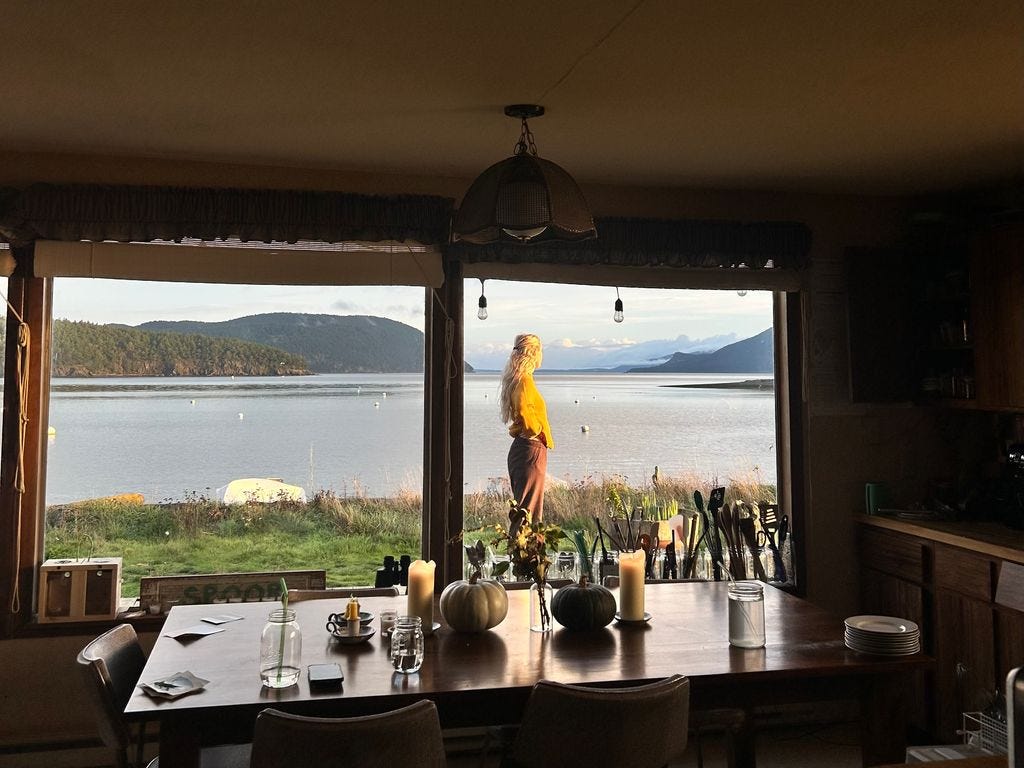
You’d think that living in a place that is “devoid of culture” would be suffocating, and that you would fall behind in all that is important and necessary and relevant in life. It’s not like there are any museums, talks, live music, restaurant tastings, entrepreneurship summits, exhibits, or college campuses to keep you informed. Here, it’s just ordinary people living ordinarily fascinating lives.
I am not totally out of touch. But living here has recalibrated how central these things are to my universe.
Subscribe to Blakely’s newsletter, Cabin Nine.
“AT ONE POINT, I FELT LIKE I WAS ABOUT TO FORGET MY OWN NAME.”
Rachelle Robinett
Writer, herbalist, and author of Naturally.
Location: Costa Rica
Time there: About two years
Where did you move from, and why?
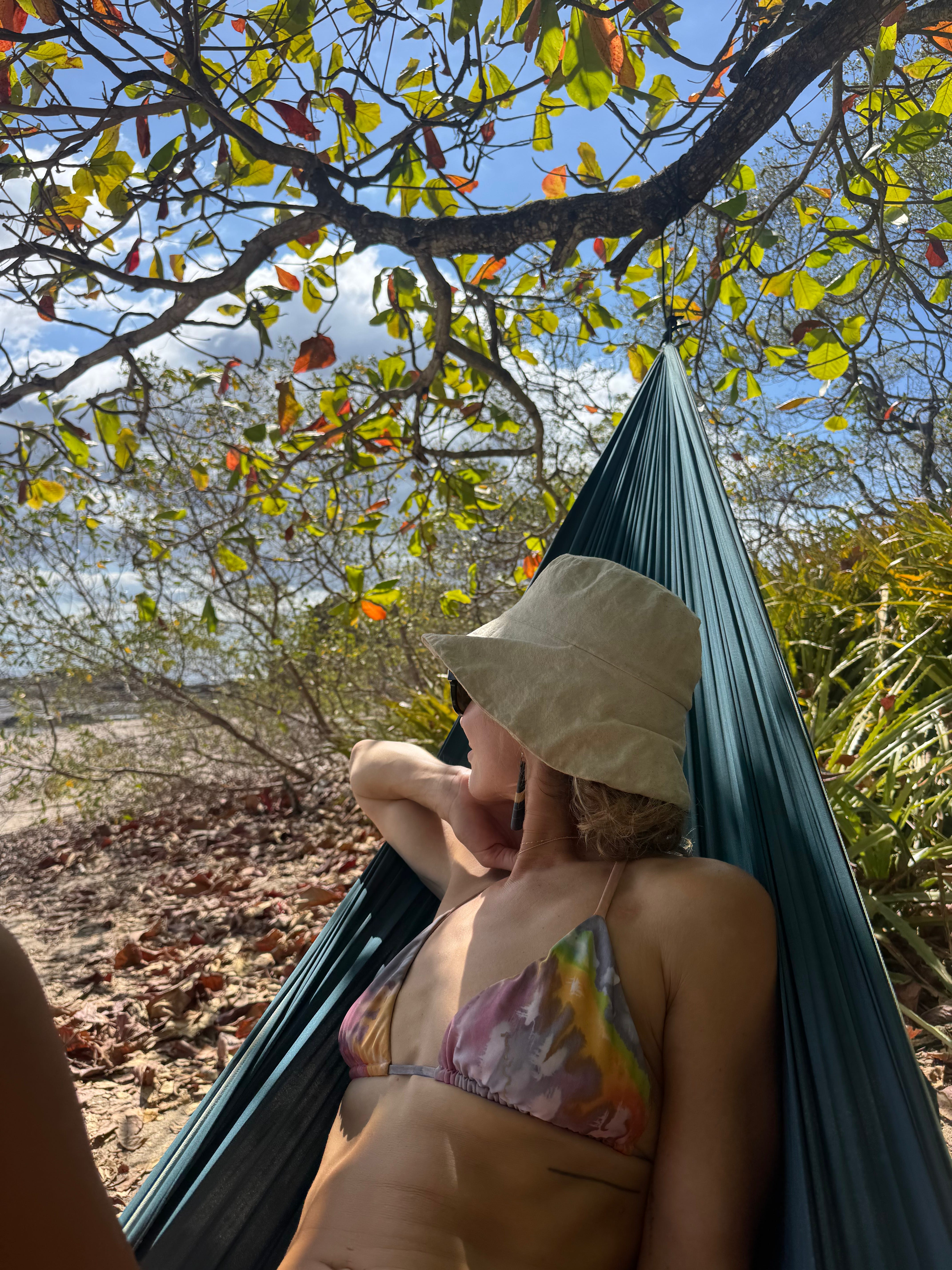
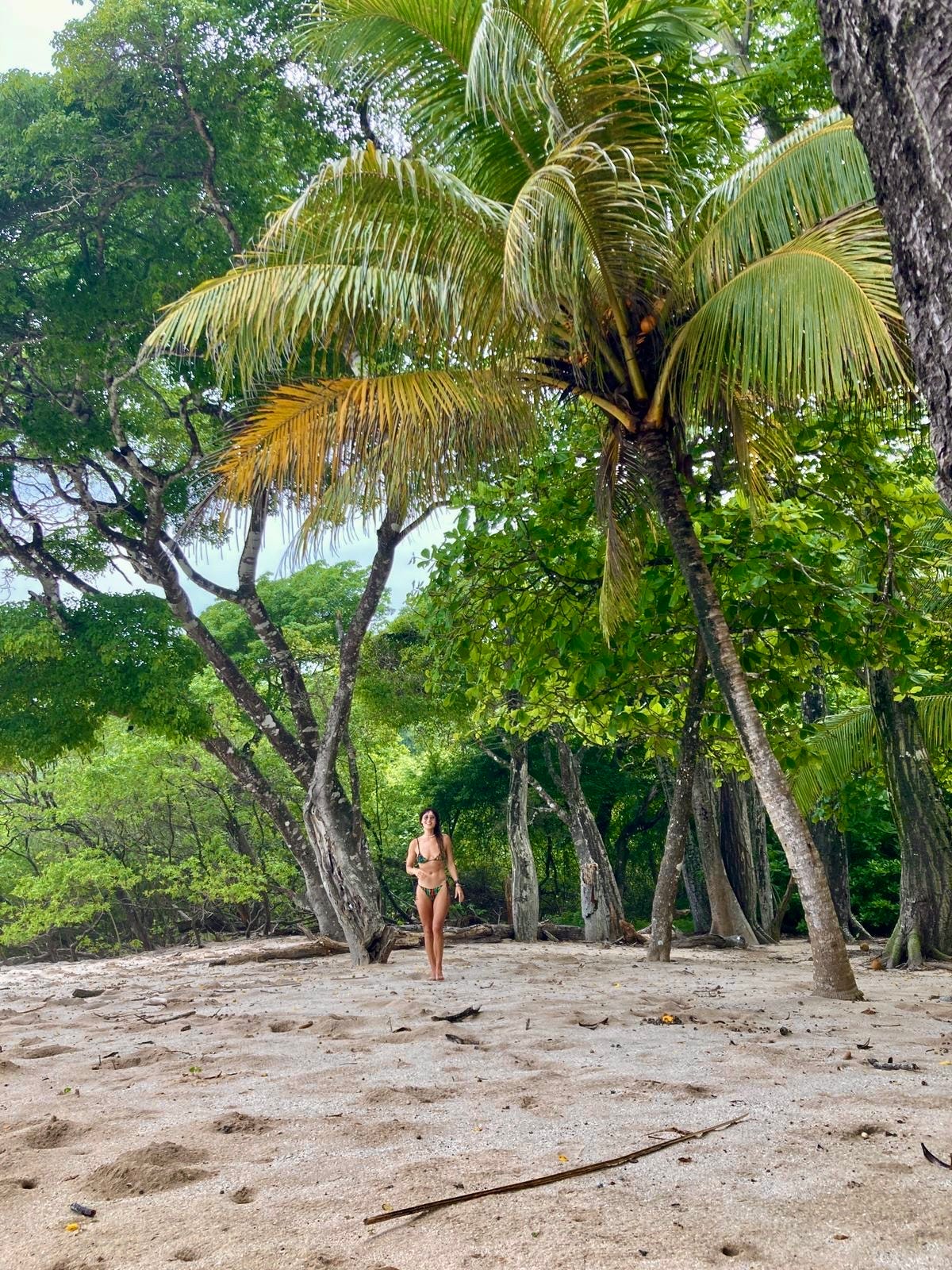
I left NYC (something I never thought I’d do) because I fell in love completely, and immediately, with this place. It stole my heart and changed my life. The first day I walked through this tiny beachside jungle town, I wrote in my journal, “This is it.” I also left a marriage, a career, and essentially my entire old life.
How did you ultimately make the decision to move?
I made the decision based on feeling; it didn’t seem rational, I hadn’t planned it, and I didn’t know what was going to happen. But, I did know that I had to do it. I “had” to do it because I trust myself deeply, and despite the fact that it was going to completely upend my life, I knew that I was at one of those crossroads that appears infrequently. It was an opportunity for me to live the way that I am meant, and able, to. I had to do it, because I am that kind of person — the kind who will leap blindly into the unknown if that still, small voice inside says “go.” Ultimately, I believed whatever parts of me knew that it was right, and I resolved to understand it all later.
Logistically, it went like this: I visited, fell in love with the land itself (I knew no one), happened to see a home, happened to be able to afford it, and decided to buy it. (I also wept every day, which was probably relief and anticipatory grief. I often felt like I was losing my mind.) I thought I’d spend a month or two in it during NYC winters, but on my first trip down, which was supposed to be two weeks, I stayed for two and a half months. From that point on, I haven’t wanted to leave.
I had to do it, because I am that kind of person — the kind who will leap blindly into the unknown if that still, small voice inside says “go.”
What were your expectations going in? How did reality compare?
I didn’t have any real expectations because I didn’t have any real sense of what I was doing. I didn’t know if I was fully relocating, or just spending the season here — or maybe a couple of seasons, or years, or a couple of years. I still haven’t attempted to define that for myself, but what I do know is that this is where I deeply want to be right now, and that is enough.
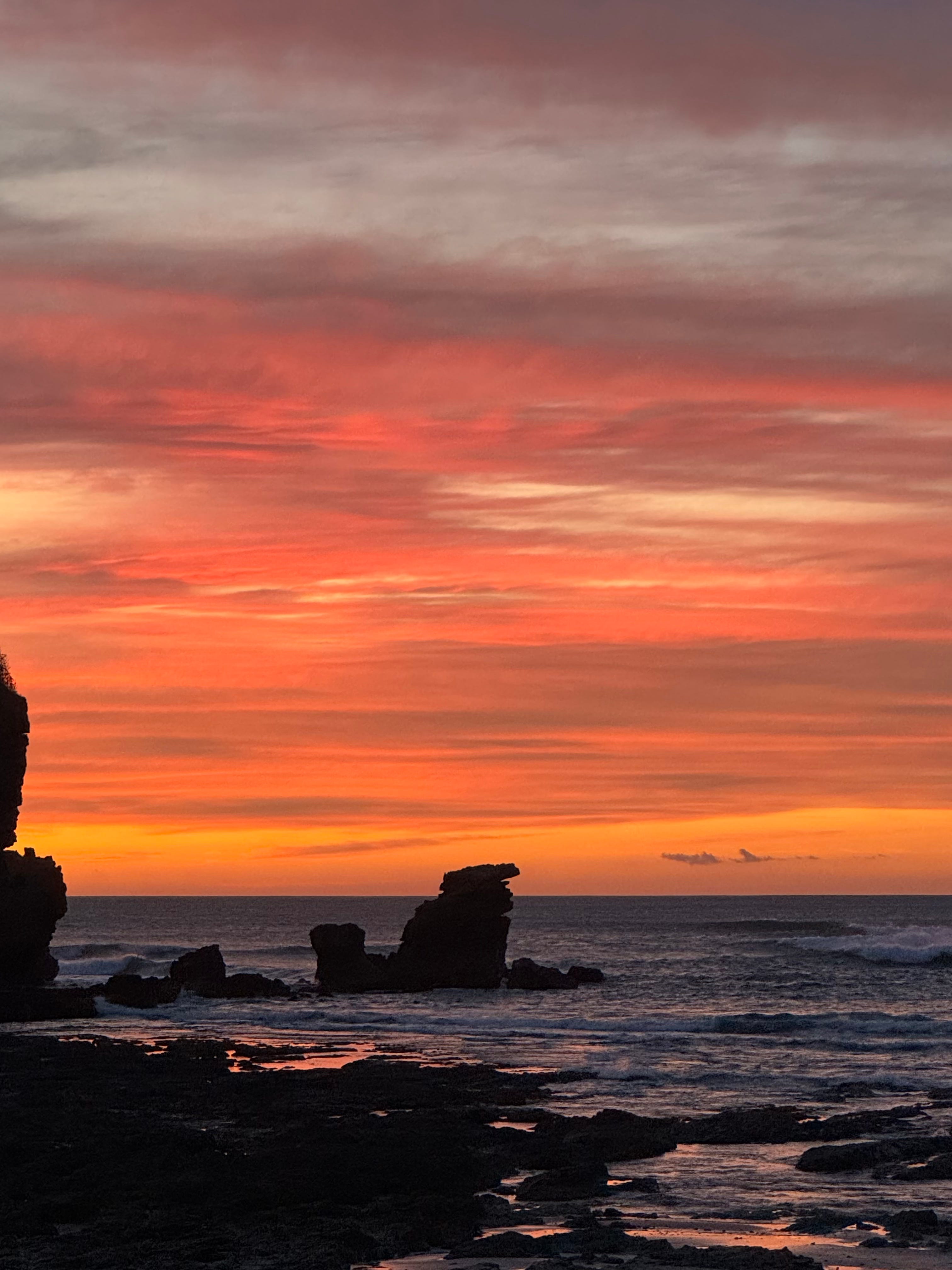
The “reality” of what then transpired was actually surreal. I had never before been surrounded by so much beauty, joy, health, pleasure, and vitality. I immediately forgot most of what had felt so important before: matrix things like time management and algorithms, insider-culture things like food and music trends, basic things like clothing and makeup — at one point, I felt like I was about to forget my own name. I have mostly acclimated to the new normal of living in what feels like an actual dream, but all it takes is leaving (or considering leaving) to remind me that this reality is my ideal.
I believe that my continued lack of expectations allows me to exist in a state of wide-openness, which invites constant transformation. I made some very big, very hard decisions in order to launch myself into this unknown, but other than getting out and diving in, I have directed my course very little. That feels important. It seemed unhelpful, if you will, to bring my old life or old ways into this newness. It was a chance for a completely blank page, which is an opportunity few of us get (and I’m not sure how many of us truly want).
What does your day-to-day life look like? How do you like to spend your time?
My daily life now could not be more different than it was before moving. Whereas before I was generally desk-bound and inside, I now spend most of my time outdoors and in motion (surfing, walking, cycling, swimming, etc). I work when I need to, from home, on no certain schedule, and usually a few times a week rather than for most of every day. I often have no idea what day of the week it is, and frequently forget the month as well.
All it takes is leaving (or considering leaving) to remind me that this reality is my ideal.
It’s also important to note that time is treated differently here. Punctuality doesn’t exist, making plans is generally considered absurd, and activities flow into each other in an unpredictable rhythm that is culturally recognized as subject to change down to the minute. At first, yes, this broke my brain a little bit. For the most part, I’ve acclimated. Occasionally I need to exert some rigidity in order to be productive, or to ensure that I’m not completely lost in the wind. But I also came here to both get lost and see what I would find.
In what ways has rural living shaped or changed your sense of health or vitality?
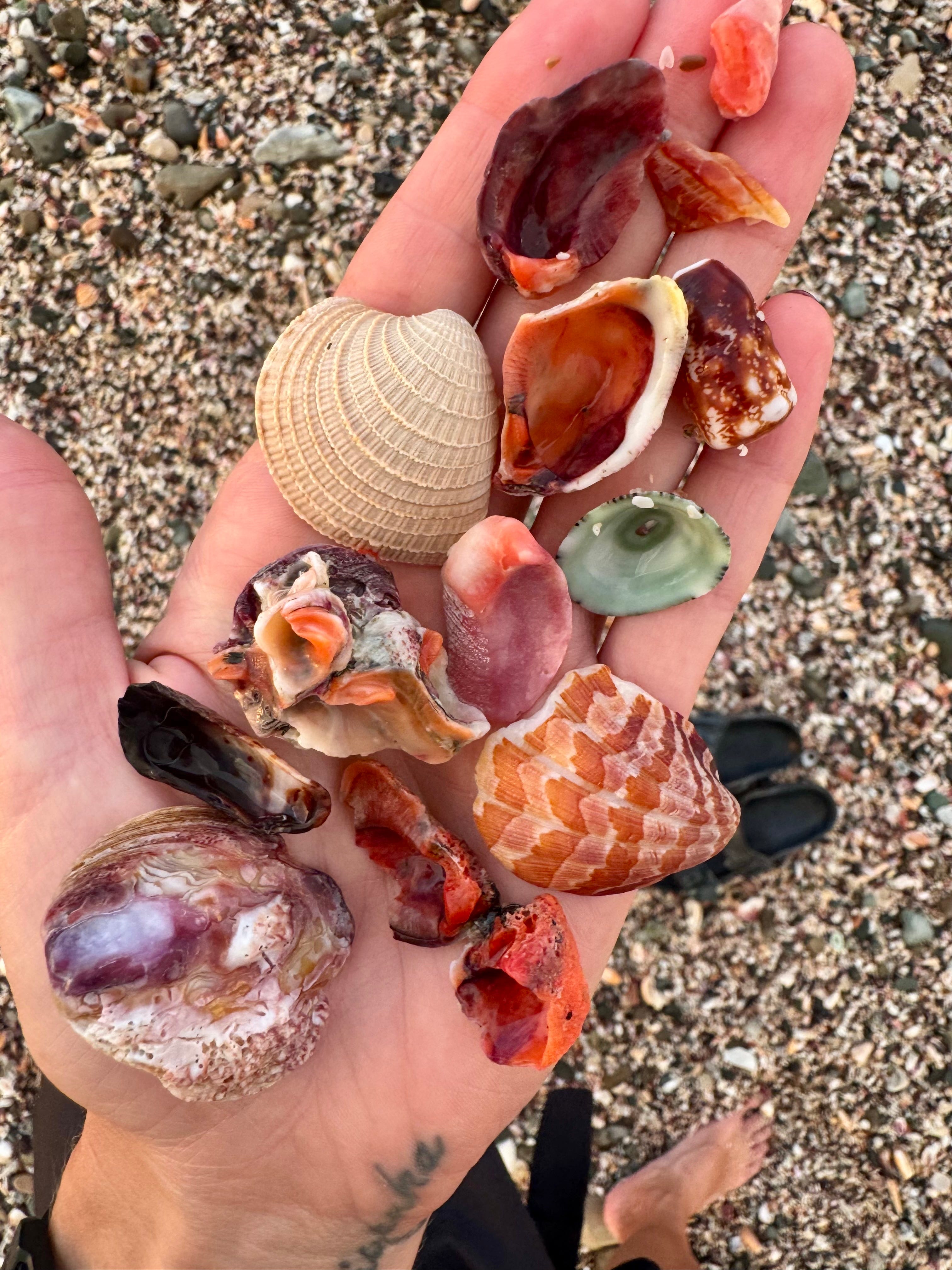
I am fully immersed in all of the elements here every single day: earth, air, fire, water. I’m highly active, because it’s simply the way of life. All of the food is local and fresh. The water is drinkable from the tap (a huge plus IMO). I’ve never slept better. The community is dynamic, joyous, and close-knit (I live in a very small town). I know my purpose in life (to write). These are the pillars of health, and always have been. Because these elements are present, which is much of what drew me here, I need very little more to be healthy, or happy — and I’ve never been healthier, or happier.
What surprised me most of all, health-wise, is how quickly and dramatically my body transformed in response to this lifestyle, which is ultimately so simple. I have never been stronger, yes, but the tells were when friends and family remarked that I was glowing, that I looked like I’d aged in reverse, that my eyes were different, that my voice was different, and — most of all — that I’d never looked more like myself. That is vitality.
What have been some of the hardest or most surprising aspects?
The first hardest part about moving was disentangling myself from the life I’d built in NYC. I own a home there, made my career there, and was married. But, I had a conviction to leave and in that sense, it was easy. The logistics of buying and living in Costa Rica were impressively simple and I acclimated to the lifestyle fairly immediately (though I had to eat and sleep twice as much in order to keep up with the physical exertion, lol).
The second hardest part for me has been the welcome challenge of choosing my own adventure. I wrote recently that “freedom is a decision tree.” Having fought so hard to be free of the ties that bind, I am now navigating anew which entanglements to welcome.
Could you see yourself living in a city again?
One thing I’ve learned through all of this is that I simply cannot anticipate what I will want — or who I will be — in the future.
What advice would you give to someone thinking of moving?
Our greatest lives depend on our living according to our deepest desires.
Follow Rachelle on Instagram and Substack, and read her Health Gossip interview here.
“I NEVER REALLY UNDERSTOOD WHAT ‘GOD-FEARING’ MEANT BEFORE LIVING HERE.”
Lauren Bailey
Birth doula and student of Human Nutrition and Functional Medicine.
Location: East Helena, Montana
Time there: A few months (2.5 years in MT)
Where did you move from, and why?
I moved from St. Louis, Missouri. It’s funny because I’ve never lived more than ~20 minutes from the Missouri River in my life, which starts its journey in Three Forks, MT, before making its way down to the Mississippi River in St. Louis. It felt like a guide to me when I drove to Montana while moving here. I would catch glimpses of it along the drive, and it oddly made the transition very simple. I’m a river person; I don’t like to live very far from a river.
I moved because my life in St. Louis began to feel more and more unaligned. Many such cases. I was working a corporate sales job, traveling a ton, and drinking a lot! I always joke that St. Louis is only good for sports and drinking, and it’s true. It’s the home of the St. Louis Cardinals and Budweiser, and lovingly referred to as a drinking town with a baseball problem.
How did you ultimately make the decision to move?
I started to feel really antsy. I had started diving more into wellness again since experiencing a bout of mono the year prior. I had grown up my whole life with a mom who was very wellness-minded and a dad who hunted, fished, and foraged for mushrooms, but somewhere in college, that had been lost a bit in me. A friend brought up the term Ikigai, a Japanese concept designed to help you find your reason for being, and I realized that becoming a practitioner was that for me. So I quit my job, moved out west, went back to school, cut some bangs, started saying howdy, and snagged the blessing of waking up in Montana every day.
What were your expectations going in? How did reality compare?
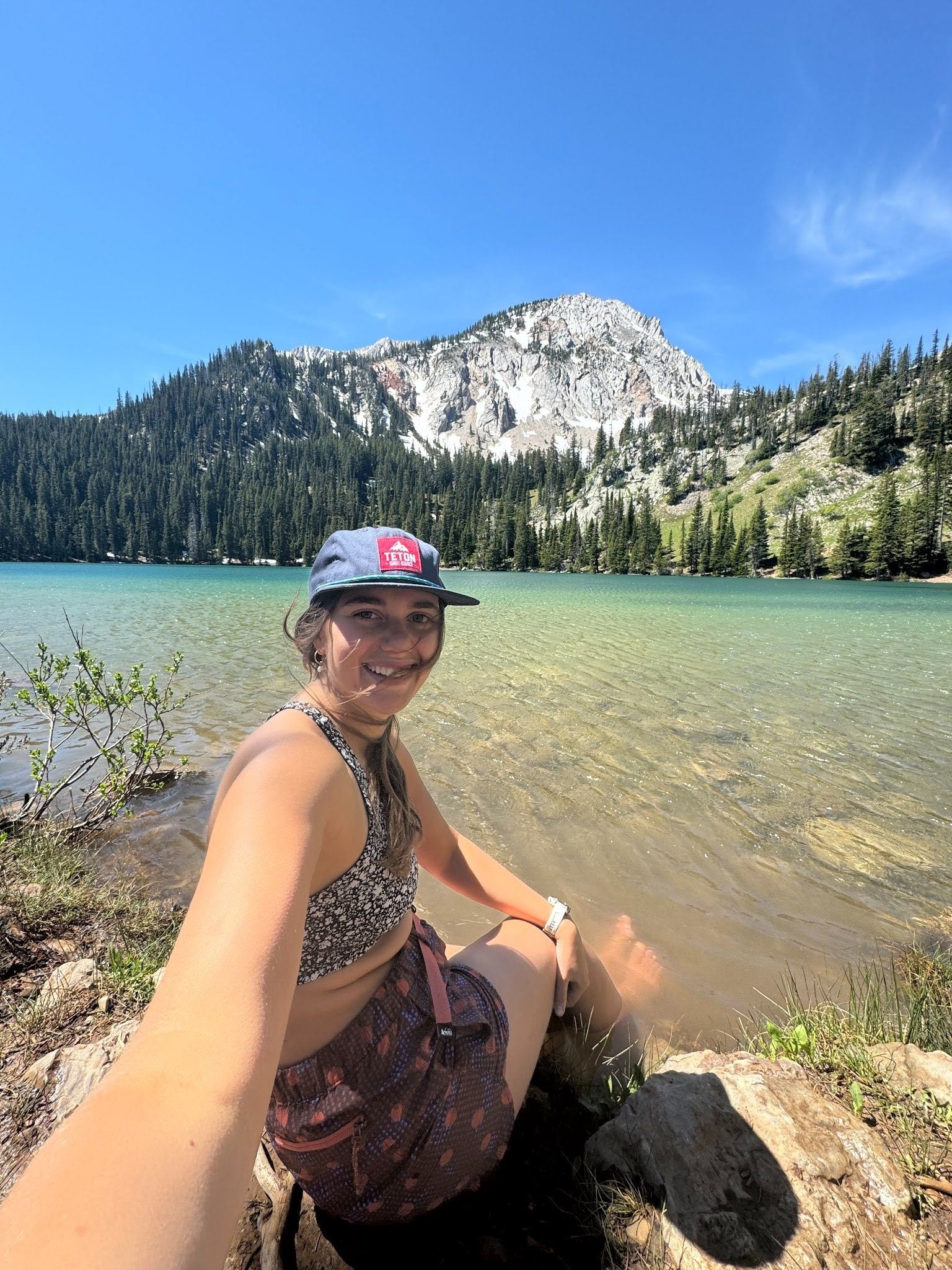
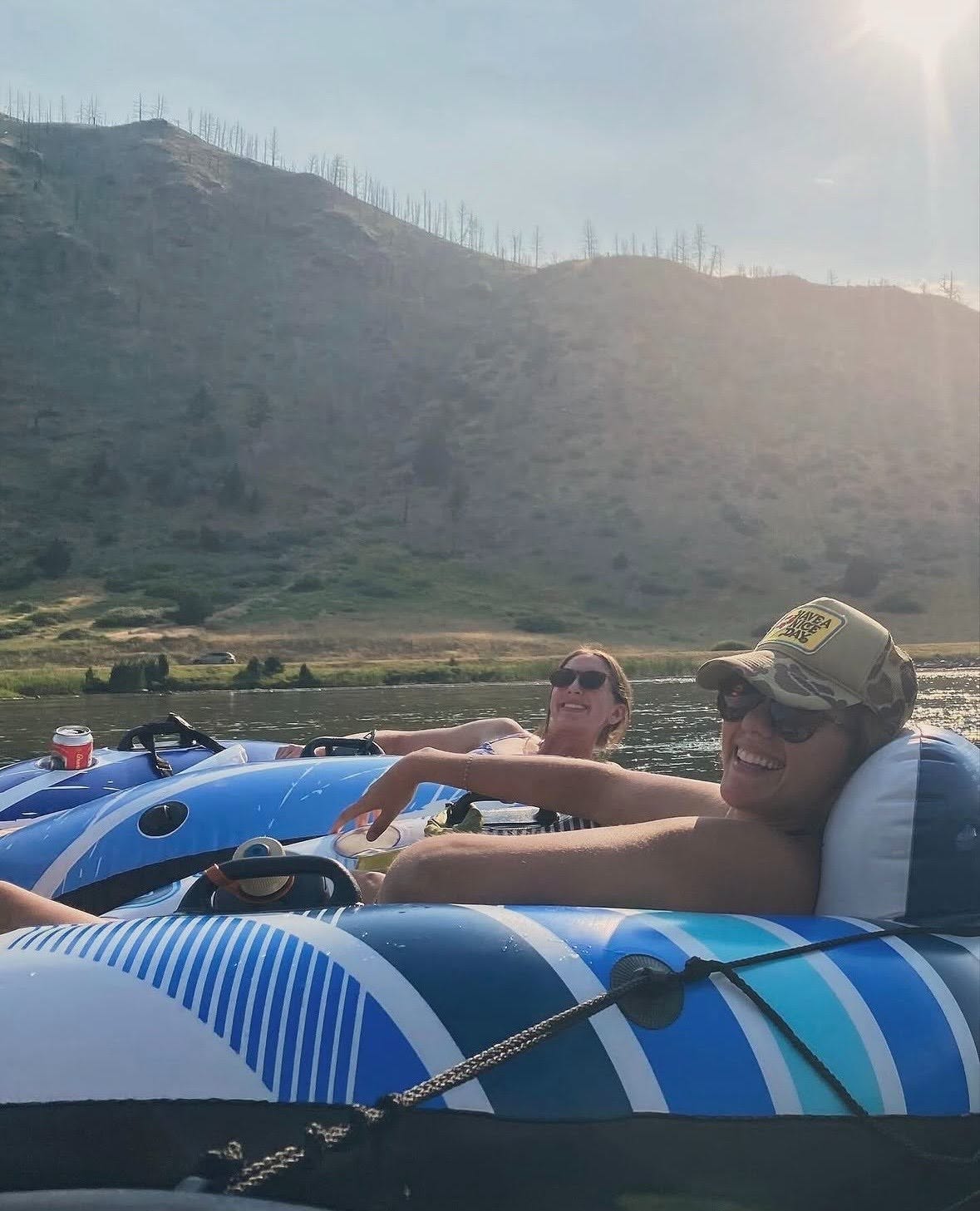
I honestly expected life to continue at a fast pace, just different. I envisioned myself swapping drinks with friends for high-adrenaline activities. But my life has actually ended up being much slower (which is what I needed). I found myself gravitating towards foraging, hiking, ski touring, some trail running, camping, and river hangs with some high-adrenaline activities sprinkled in.
I love that in Montana, seasonality is demanded of you. In the winter, the nights are very long, and I find myself naturally wanting to hibernate — sometimes getting in bed as early as 8 or 8:30! On the other hand, the sun rises so early in the summer. I’m naturally okay with only six hours of sleep in the summers, and I never need an alarm; my bedroom window is east-facing, so the sun wakes me up as soon as it crests the mountains.
You have to respect the mountain, or else you might hurt yourself. There’s a lot of getting out of the way and trusting God lately.
What does your day-to-day life look like? How do you like to spend your time?
My life is very crazy right now with full-time grad school and birth work. Every day is a little different, and I have clients up to 1.5 hours from me, so depending on the day, I have a lot of driving to do.
I generally wake up and try to immediately get some morning sun. In the winters, I turn on a chicken lamp. If I have bone broth made, I will sip on that or some orange juice with collagen. In the sun, I do the big 6 lymph routine, then a short qigong routine, which I love. I actually do the qigong routine after every meal! For breakfast, I love skyr with fruit, honeycomb, bee pollen, and a raw egg yolk mixed in — sometimes I switch up breakfast but I always come back to this.
After breakfast, I either go on a short walk to ease into the work day, or I do a strength workout. The rest of the day is work and school, and I always make sure to break it up with frequent walks. I get lazier and lazier the less I move, so I consider them essential. Lunch is almost always leftovers from the night before. When I’m done for the day, I like to go for a hike or sit by the river and knit or read if I’ve already lifted. Dinner lately has been lots of curries. I typically wind down with knitting, sometimes some trashy reality TV (I can’t help it), my legs up the wall, a small glass of raw goat kefir when I can get it, and my skincare routine. I’m on call all the time now for births, and clients sometimes text at 2 or 3am with questions, so sleep can be hit-or-miss.
In what ways has rural living shaped or changed your sense of health or vitality?
Living in the mountains has brought me closer to God, and I consider myself a Christian. My faith is only growing.
I never really understood what “God-fearing” meant before living here. I wasn’t raised religious, so the term always bothered me — I think I’d only ever heard it used in a way that made it sound like coercion. I now understand that to be God-fearing means to be in a state of genuine awe and respect. It’s like when you’re in the high country and you know you should turn around soon because afternoon thunderstorms are rolling in. You have to respect the mountain, or else you might hurt yourself. There’s a lot of getting out of the way and trusting God lately.
At the root of it, I believe connection is everything. Connection to yourself, to others, to the earth, to cycles, to God.
What have been some of the hardest or most surprising aspects?
I miss my family dearly. It’s the only thing that ever makes me second-guess my decision. They are almost all still in the St. Louis area, so visiting is made easy, but we grew up really close and still are so the distance is hard. We talk every day.
Could you see yourself living in a city again?
No! In fact, we’re probably only going to get more and more rural. My boyfriend is a wildland firefighter, so depending on what he does next year, we might go back towards the Three Forks area or to the northwestern part of the state.
What advice would you give to someone thinking of moving?
Just do it. If you let yourself, you will talk yourself out of it, or talk yourself into it being the “wrong time.” The reality is that it will never be the right time — just go!
Follow Lauren on Instagram and Substack.
Other words of wisdom…
It’s been freeing to realize that I don’t need some of the things I took for granted working full-time. We spend way less money, partly out of natural consequence of moving to a lower cost-of-living area, partly out of necessity…It’s allowed me to relinquish lifestyle extras I would have sworn were necessary when working full-time and living in the city. Turns out many of these preferences were just ways to cope with the stress of work and being at odds with my deepest values.
—Aumaine Rose Smith, Poet, Editor & Mother
Moved from Cleveland to northeast Ohio
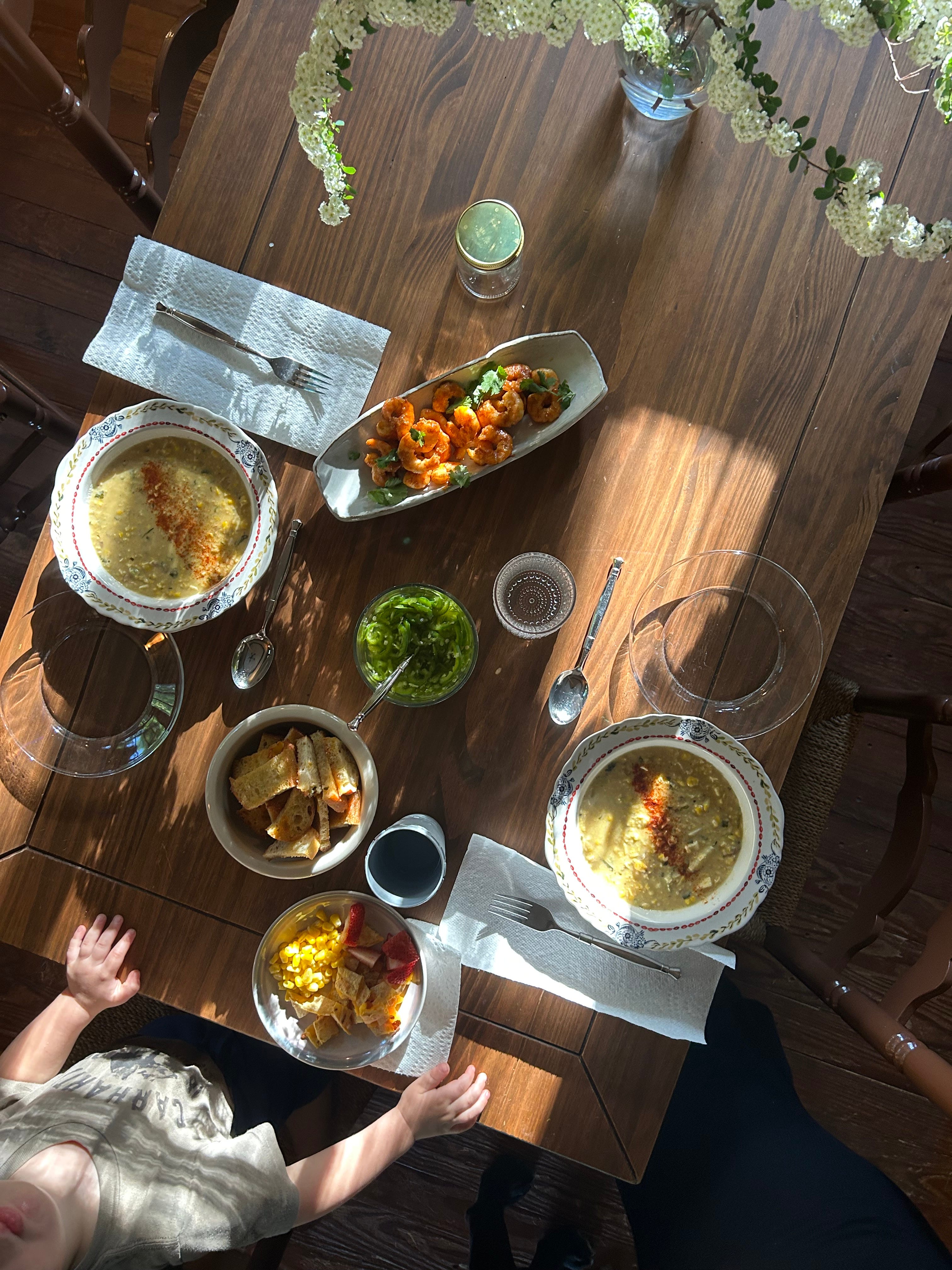
It is easy to stay where we’ve been; there is less resistance in doing more of the same. However, I found there to be huge value in continually assessing whether where I was aligned with who I was becoming. Be willing to seek out the environment your soul — and nervous system — craves, even if it surprises you. Even if it scares you.
—Maya, Writer & Naturopathic Doctor
Moved from Vancouver to a small town on Vancouver Island
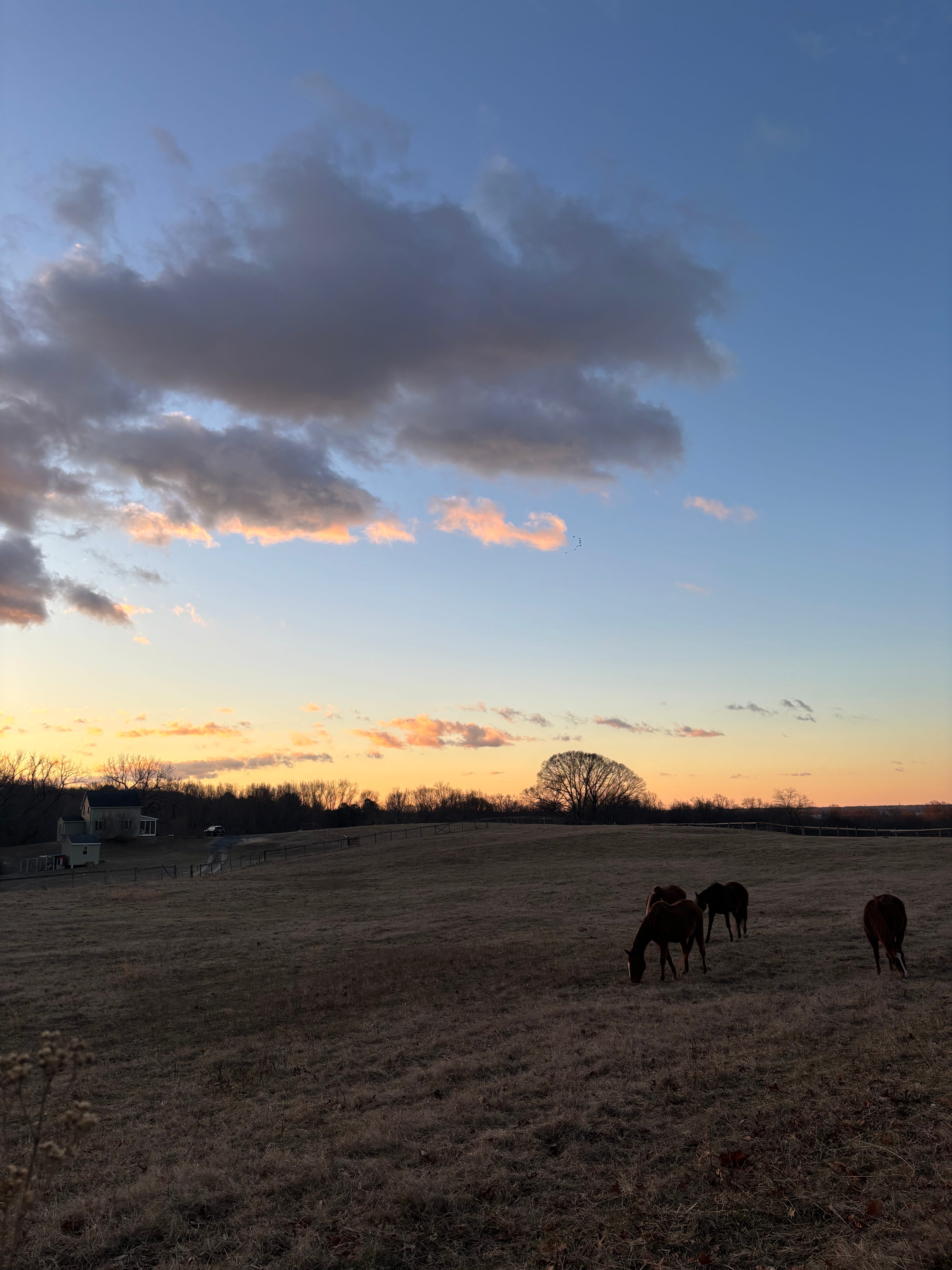
It took me over a year to finally leave. It was difficult to accept the things I wanted and needed had changed, and they were different from the people around me. Growing up, I had a very rigid idea of what my life needed to look like to be a writer, and part of that was living in the city…A month before I made the decision, my best friend said to me, “I wonder what your life would be like if you actually did the things you wanted to do.”
—Kathleen Wallish, Writer
Moved from Baltimore to Lusby, Maryland
I could read 100 of these! So inspiring and such interesting perspective. Thanks for sharing these stories 💘
Love these interviews! The San Juans look particularly dreamy. And thanks for clarifying your process