


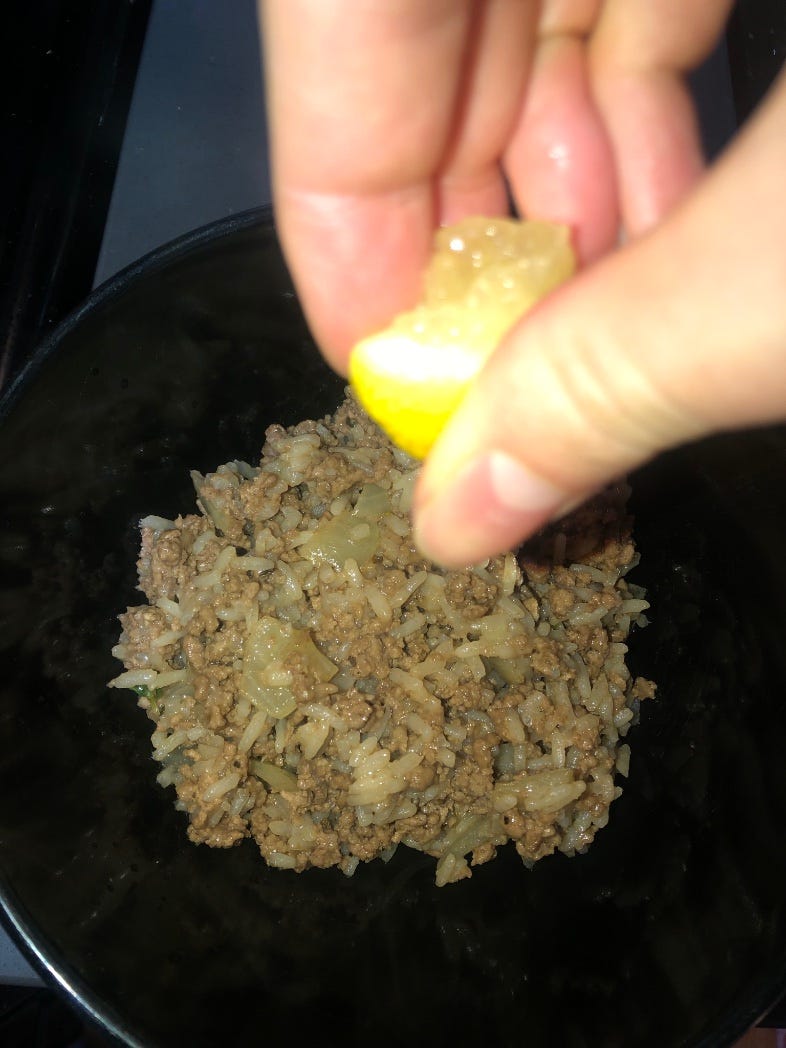
For much of 2022, I was living in a way that could only be described as “dog like.” Eating purely utilitarian meals consisting of some variation of ground beef, rice, and olive oil. Taking myself for regular walks in the neighborhood. Fitting in a daily afternoon nap.
It was an approach that felt perfect at the time, an antidote to the somewhat extravagant vegan x gluten-free lifestyle that I led before. I liked not thinking too hard about what I would be eating; the sense of vitality that eating simple, meat-centered foods gave me. I felt clued into a world that many women my age had no idea existed. I felt based.
This was around the same time as I first got the idea to start Health Gossip, when I was at my most impressionable (and least dogmatic). I was healing from various diagnoses, including “PCOS” and “hypothyroidism,”and trying as many approaches as felt right (acupuncture, muscle testing, high carb, no carb). With time, I found that the biggest needle mover was predictability. Rather than surprising and delighting my body with new foods and bedtimes every day, I locked in on the essentials — movement, rest, sleep, etc — and forgot the rest.
(Spoiler: it worked.)

Over the past few weeks, while in the throes of some sort of Mono situation (extreme fatigue), I’ve intuitively returned to a similar approach. With pure restoration as my goal, I’ve prioritized gentle movement, long stretches of rest, and real, nutrient-dense, easily digestible foods. Ripe fruit. Raw honey. Homemade bone broth. Local, regeneratively raised meat. Japanese sweet potatoes with generous amounts of salt and butter. Vegetables occasionally (always well-cooked, save for my daily raw carrot salad).
…all without realizing that this was technically an animal-based diet — and that it may just be the most sustainable way for me to nourish + support my body in the long term.

A QUICK ASIDE
In the culture at large, there’s a lot of noise around what we “should” and “shouldn’t” be eating. Entire food groups are demonized. People are quick to push their opinions onto others. From MAHA’s updated food pyramid (which I’m personally a fan of) to the ever-evolving peptides conversation, what we’re eating — and, more often, what we’re not — has quickly become a collective fixation.
Some people avoid meat and dairy because of a perceived connection between that and environmental destruction (when in reality, industrial agriculture is largely to blame); others follow whatever their favorite influencer is eating that month. I’ve moved through many of those worlds myself, and it’s honestly a disorienting place to live — constantly outsourcing something so deeply personal, disconnecting yourself from your body and its cues in the process.
I’m not here to tell you what to eat, simply to tell you what’s worked for me — with the hope that it may challenge some of your preconceptions around true nourishment (and that maybe it will work for you, too).

What is the Animal-Based diet?
As the name suggests, it’s animal-based, not animal-only. This isn’t the carnivore diet, where people snack on sticks of butter and eat steak twice a day. It’s using high quality, responsibly sourced animal foods as the basis of one’s diet, with plenty of room for easily-digested carbs (ripe fruit, raw honey, sweet potatoes and rice on occasion), herbs, and occasional, well-cooked vegetables.
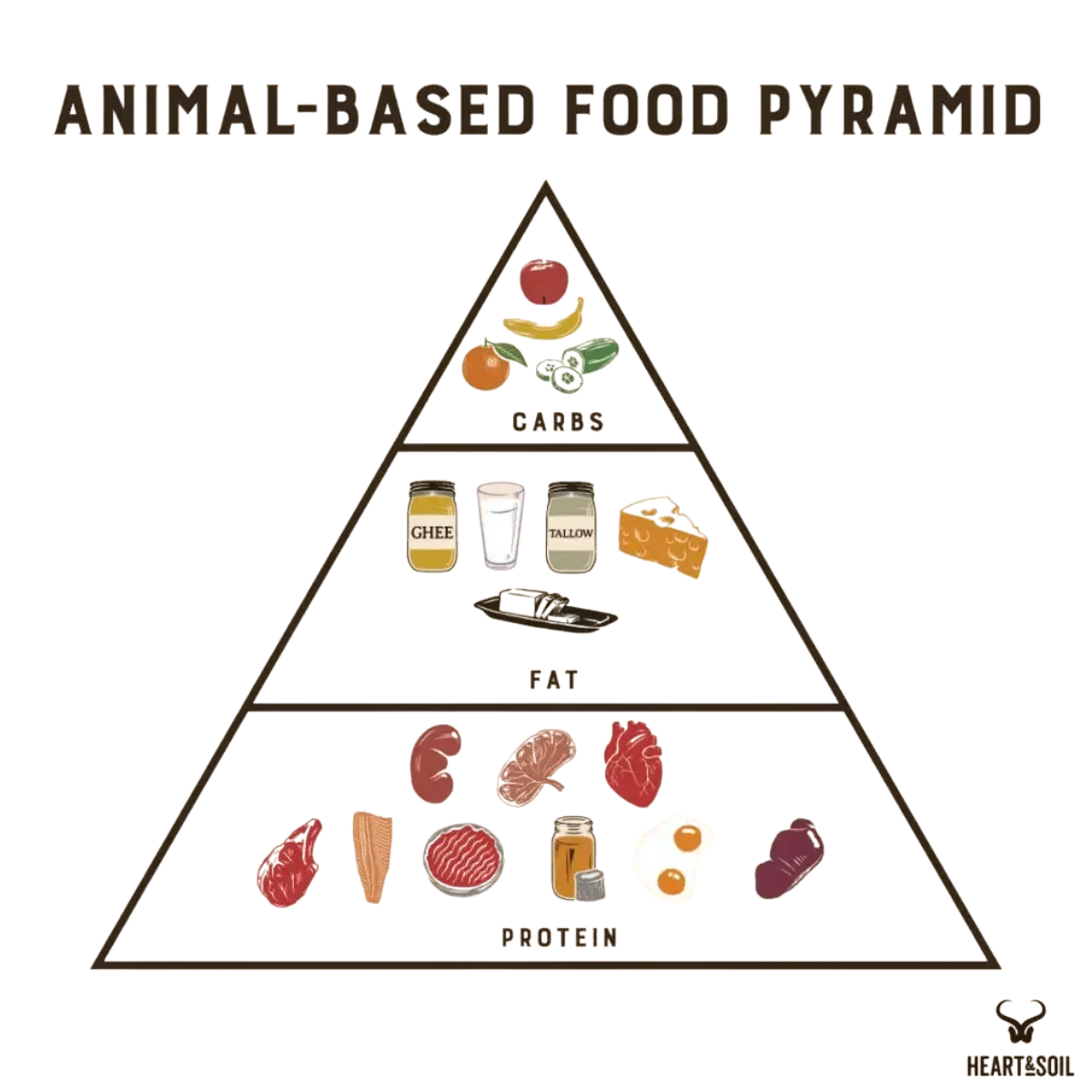
An animal-based approach prioritizes nutrient density and bioavailability, with the goal of improving energy, vitality, digestion, and body composition. It also naturally minimizes the amount of anti-nutrients that you’re taking in, which are mostly present in raw vegetables, grains, and legumes. Animal foods also provide highly bioavailable protein, iron, zinc, and vitamin B12, nutrients that are often harder to obtain in sufficient amounts from plant sources alone.
In my experience, going animal-based works particularly well for those who are weight training regularly, living an active lifestyle, OK cooking most of their meals, and have a source for high-quality meat and (ideally raw) dairy.*
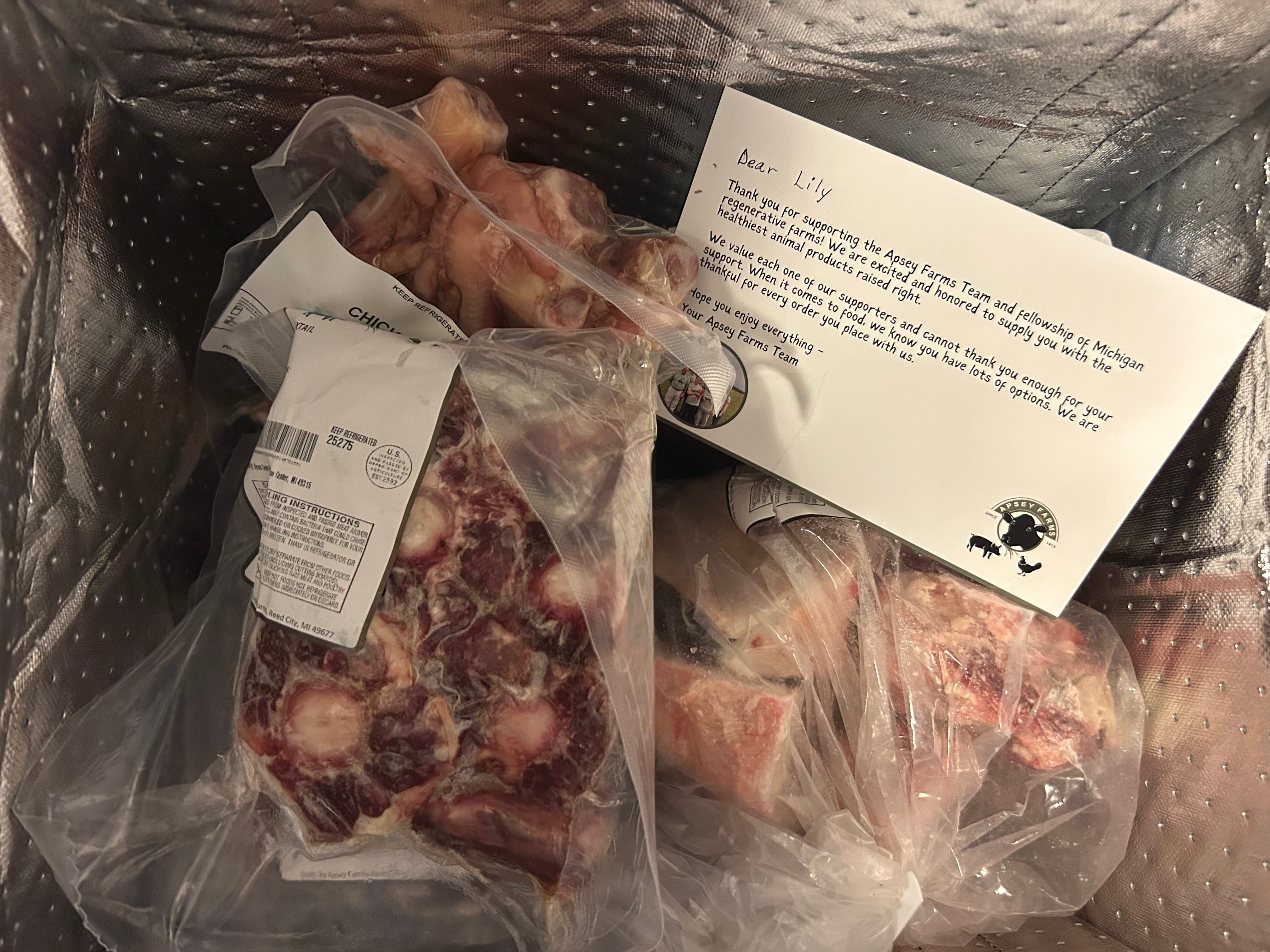
Lately, I’ve been ordering meat from Apsey Farms — a family-owned farm located in lower Michigan. Code HEALTHGOSSIP for 10% off :) Seriously the best ground beef I’ve tried.
It’s also great to try if you’re feeling low on energy or having digestive issues. I know that was the #1 thing that I noticed once I started eating meat again — the difference in energy! And I feel satiated for far longer when eating this way.
Other benefits I’ve noticed:
No bloating
Faster metabolism (i.e. higher resting temperatures + cold tolerance, weight loss - though that wasn’t my goal)
Stronger nails + hair
Less cravings for snacks/processed foods
Less “decision fatigue” around what to eat
For paid readers: a loose meal plan + my favorite recipes…
Organ blend tacos
Slow cooker bone broth
Gelatin cacao latte
Supplements
Etc.
