

Confession: for most of December, I’ve been wearing essentially the same pair of Uniqlo HEATTECH leggings. They’re warm, lightweight, and, of course, entirely synthetic (35% acrylic, 34% polyester, 23% rayon, 8% spandex, to be exact). Wool and silk thermals really aren’t hard to come by, so I don’t have much of an excuse; I’ve mostly just been too cold to make a change. But after some late nights spent browsing eBay, Etsy, and a few very Scandinavian corners of the internet, I’m more than ready to toss the HEATTECH altogether…
If you feel similarly, dear reader, fear not. Below, I’ve compiled 30+ ideas to fuel your natural fiber winter wardrobe — from indoors to out, sauna to après.
(And, if it happens to be warm where you are, read this.)
First, A Quick Primer…

Synthetic materials might be the norm for winter clothing now (see: Patagonia, Arc’teryx, North Face), but historically, winter sports and cold-weather work relied almost entirely on materials like wool, silk, waxed cotton, and fur.
Merino wool was the original performance fabric, used by Nordic skiers, Alpine mountaineers, and cold-climate laborers for its ability to insulate even when wet. Today, it’s one of the most common natural materials you’ll find, thanks to its versatility and longevity.
You’ll also see some alpaca wool picks in this guide, which is softer than traditional wool and hypoallergenic.
Silk also appeared in early mountaineering and military cold-weather systems as a lightweight insulating layer that added warmth without bulk. It’s often pricier than wool options, and can be more prone to ripping. For added warmth, sometimes you’ll see it combined with cashmere.
Cotton & Tencel are great for midlayers and casual cold weather, especially in blends or brushed fleece. They’re both quite breathable and soft, though not warm enough to wear as thermals.
And, of course, animal furs and hides have been used by nearly every culture throughout history for protection against extreme cold. I recommend buying these secondhand and ideally trying them on in person. They can hold onto scents more easily than some of these other materials, so be picky!
Note: If you’re confused about the benefits of opting for natural materials vs. synthetics, check out this rundown. In general, the biggest impact comes from pieces worn directly against the skin or exposed to body heat — so I’d recommend making swapping your thermals a priority :)

Merino Wool Sauna Wear
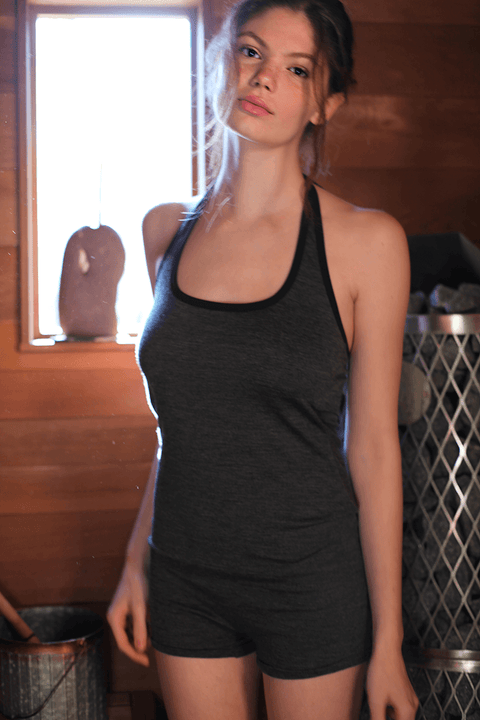
Starting off with a new discovery: merino wool sauna wear.
According to Superior Saunas, these garments may be FSA/HSA-eligible — which feels like a total hack, given that clothing typically isn’t covered.*
The SaunaMekko Merino Wool Bath Suit ($180) is one of my favorites from the collection, essentially a winter-proofed version of the Los Angeles Apparel biketard we all know and love. Also cute: the Merino Wool Pocket Shawl ($128), easy to toss in your bag for holiday travel and post-sauna hangs.
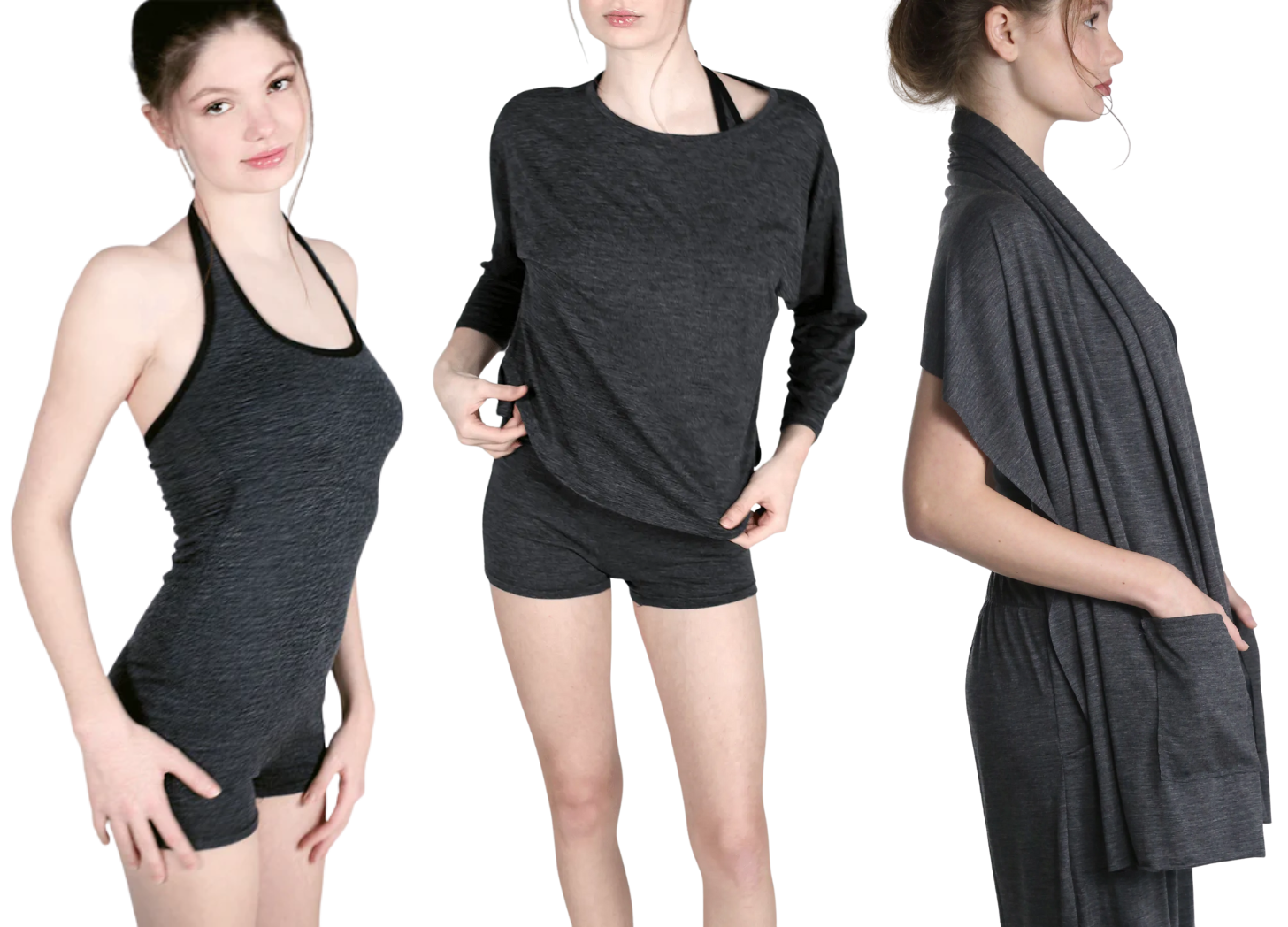
Both are made from 100% merino wool — important, because we already know that if you’re sweating in the sauna, you’ll either want to do so in the nude or in natural fibers (I should gift the girls at my gym some pieces).
And if you’re looking for a sauna robe or hair wrap…may I suggest Rento?
*Caveat: you’ll need a doctor’s letter stating that sauna therapy is medically necessary, and approval ultimately depends on how your plan administrator classifies the purchase (i.e., as sauna therapy vs. everyday apparel).
Dilling Striped Thermals
Dilling is the real deal: a Danish, family-run company that’s been making wool clothing since 1916. I joked in the subscriber chat that this top ($70, 100% organic merino wool) and these leggings (ditto) would be my new winter running outfit — and honestly, why not.
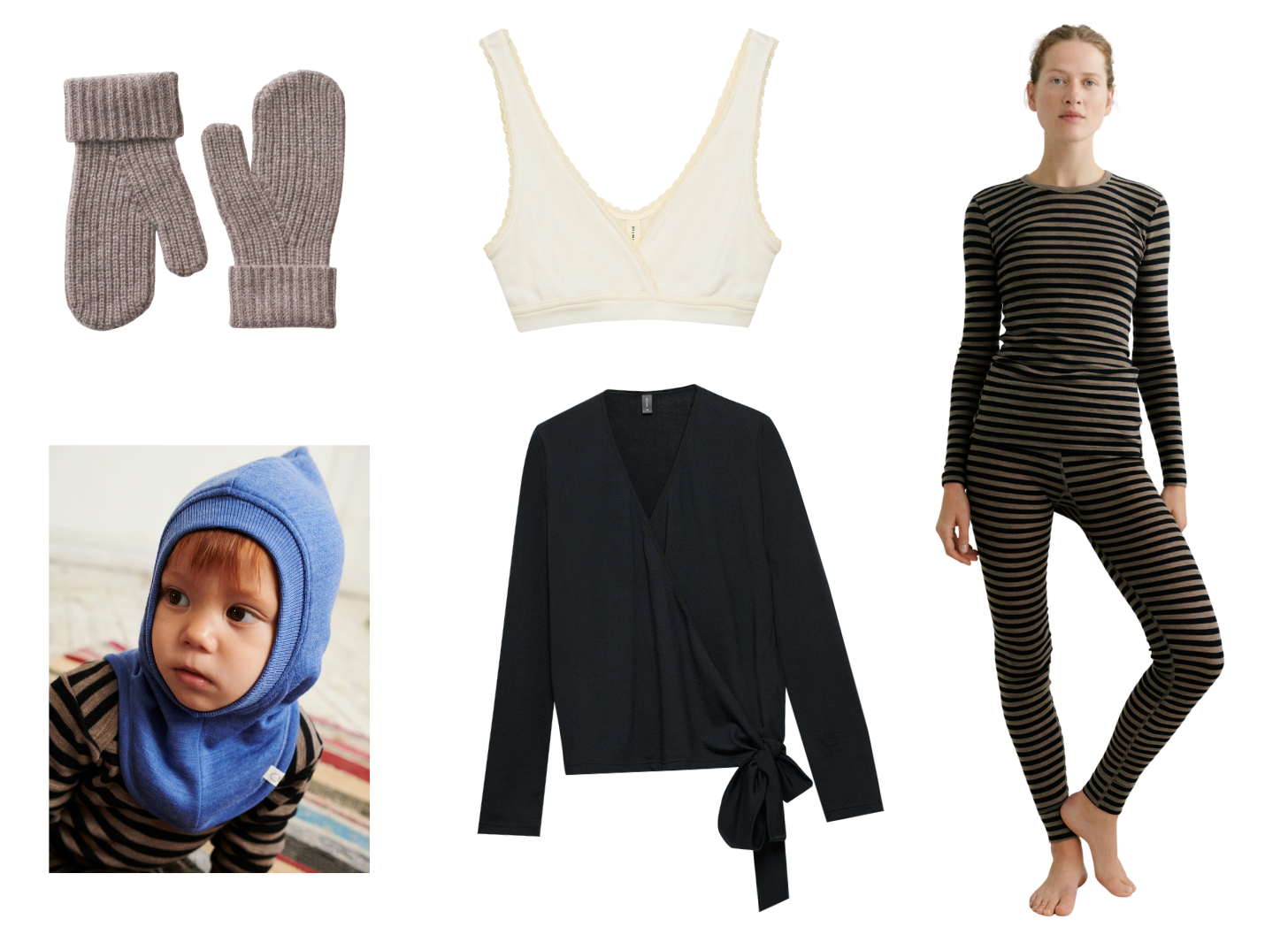
You really can’t go wrong with anything here. Honorary mentions: the Merino Wool Wrap Top ($120), Merino Wool Pointelle Tank Top ($50), and Merino Wool/Silk Bralette ($62). All of these are basically the same price as Intimissimi, just way better quality. They even do merino wool activewear and baby balaclavas.
Vintage Shearling
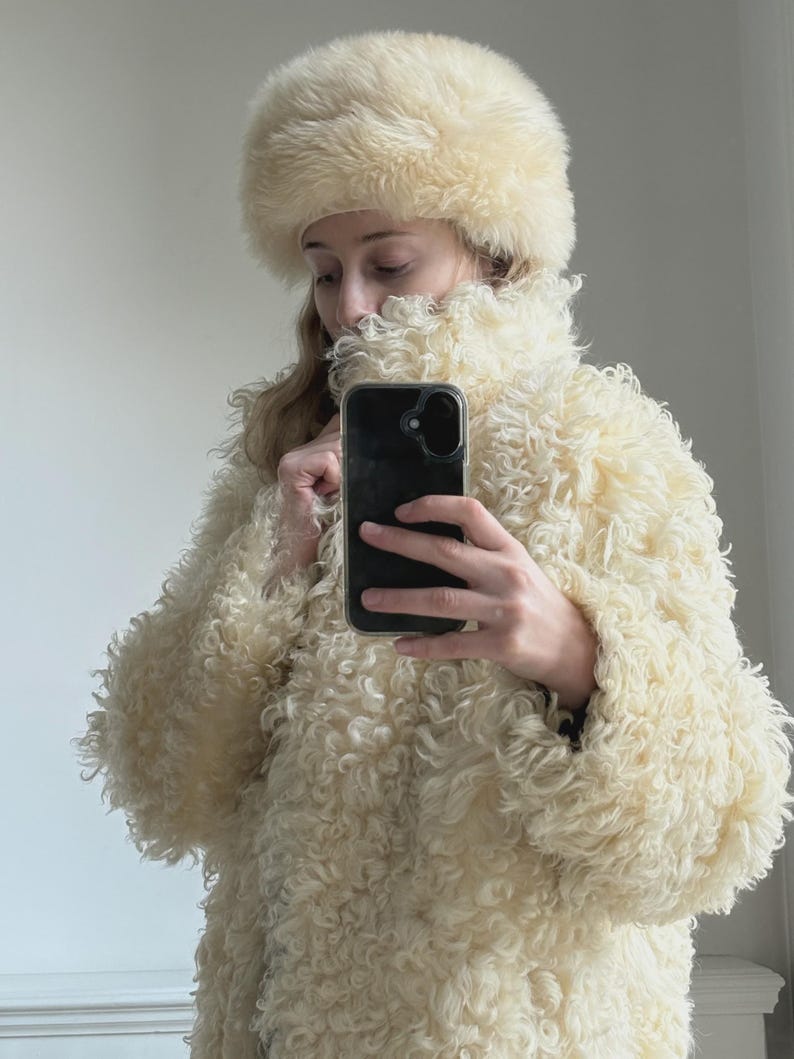
In keeping with the sheep theme…my Kenzo shearling coat that I bought in Paris for €100 a few years back (s/o Come on Eileen) has been an actual Godsend. I feel chic and protected.1 Sometimes I even drape it over me like a blanket.

Unfortunately, a lot of shearling coats out there look a bit busted or boring. My advice: don’t go too oversized, make sure it’s real shearling, and avoid light brown/khaki if you can.
Some ideas from Etsy:
This sheepskin box hat ($70) is also a vibe.
I’m also excited to invest in more sheepskin/animal hides for my home and sleep setup. Nose-to-tail living extends beyond just what we eat, ladies…